A Friendly Village & A Love Story

Mauchline village sign which features a bust of Robert Burns on top of the name Mauchline

Mauchline. The name of a village in Ayrshire, Scotland. This is a place where everyone knows each other and treats each other with friendliness and helpfulness. Home of poet Robert “Rabbie” Burns, this village has at its heart a busy road junction, where the B743 & A76 intersect. How does this small space connect with a love story? How does this junction in particular play a part? Read on…
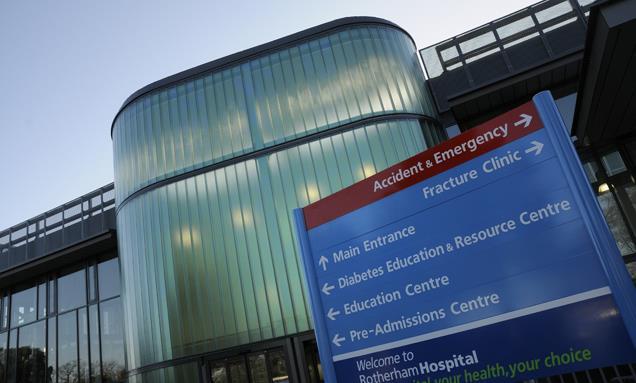
Main entrance of Rotherham hospital

It’s 2019, and I’m living in Rotherham, working at the local hospital, and single. I registered with a dating site for disabled people. I soon get chatting to a lady from Scotland who seems interesting and interested. Our online chats evolved into phone conversations over several months; I was surprised by her pronounced Scottish brogue. I express this surprise to her for some crazy reason; I mean, what did I expect? That faux pas doesn’t seem to put her off, thankfully.

After a couple of months we agree to meet for a date. This is exciting for me for two reasons: the usual first date nerves and the road trip. There is a distance of 250 miles and, according to the sat nav, this will take around five hours to cover. I love a road trip!

A scenic shot which features a sweeping landscape and a white car

My route comprises picking up the A1 north from Rotherham, leaving the A1 at Scotch Corner and jumping onto the A66 to cross over from east to west before then taking the M6/M74 north and crossing the border into Scotland. The drive is scenic; I have the music up loud and life feels good.

Leaving the M74 at junction 12 I take the road to Ayr (A70), which I follow for quite a few miles before turning off onto the B743 signposted for Sorn, and loving the drive on this twisting country road, where villages and hamlets pass by almost in a blur. Rounding a bend on top of a hill, I enter a village whose sign declares it to be Mauchline. Aggressive speed bumps menace the downhill. To the right is what appears to be a school, explaining the speed humps. I come to what looks like a large junction, controlled by traffic lights. The sat nav guides me to turn left and then turn right to continue on the road to Ayr. I see a gift shop named Many Thanks, and there’s a pharmacy and a Co-op. I left the village behind and didn’t think any more about it.

I will follow this routine every weekend for the next three years. Sometimes I leave on a Friday evening after finishing work for the week, sometimes leaving Rotherham early on the Saturday morning instead. I pass through the village of Mauchline on every journey, never giving it a second thought. It’s just a set of traffic lights and a junction and it flashes by.

In 2022, I was retired from my NHS role due to ill-health and an inability to continue to fulfil my role. Later in the year, my lady and I go to Blackpool for a weekend. My partner books tickets to two shows, with the second being a country music tribute night. Unbeknownst to her, I’ve arranged with the venue to propose to her on stage before the show starts.

Calling my lady onto the stage, the host tells her she’s won a prize. Bewildered, she makes her way onto the stage and I follow. Upon my arrival, the host handed me the microphone, and my mind went blank. Perfect timing. I’d had a bit of a speech planned and rehearsed, but that all goes out the window, so I just look at my lady and then sink to one knee, pull the ring box out of my pocket and utter those famous words, “Will you marry me? The answer is yes, and the ring fits perfectly on her tiny finger, as I’d craftily found out her size from her mother.

The audience cheers, and we leave the stage, back to our table and me shaking and struggling to leave the stage. When the first act appears, he dedicates his set to us and wishes us well for the future.

At this point I’m still making the 10-hour round trip to and from Ayr but, having retired, I don’t have to be back home for work on Mondays. While we make plans for our wedding in 2024, we also look for places we could make our marital home. We investigate places in Girvan, Ayr, and other places, and eventually find a nice, quaint-looking bungalow.
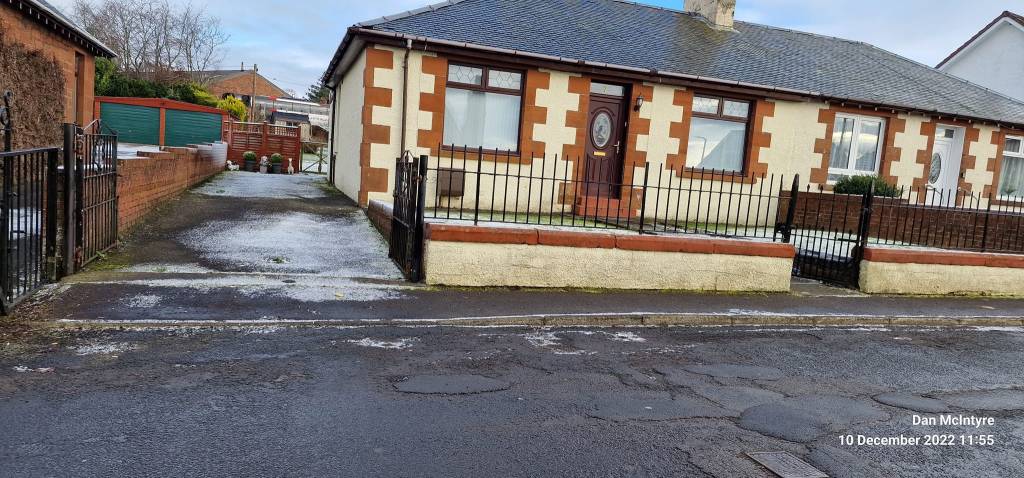
A bungalow with its drive way

Can you guess where this house might be? I bet you can. Of course, it’s in Mauchline, just a few seconds away from that junction I mentioned earlier. The one I’ve been casually driving through for the past three years without a second thought. In January 2023, I moved in and discovered how friendly the people of the village are, from our neighbours to the ladies in the pharmacy among others.

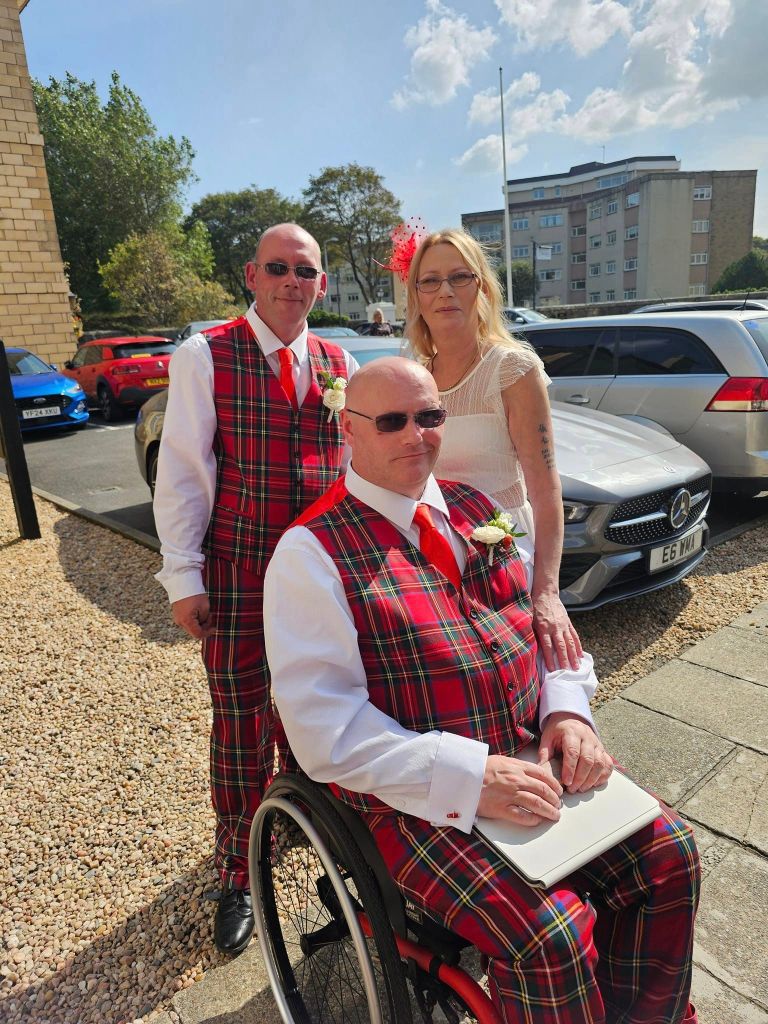
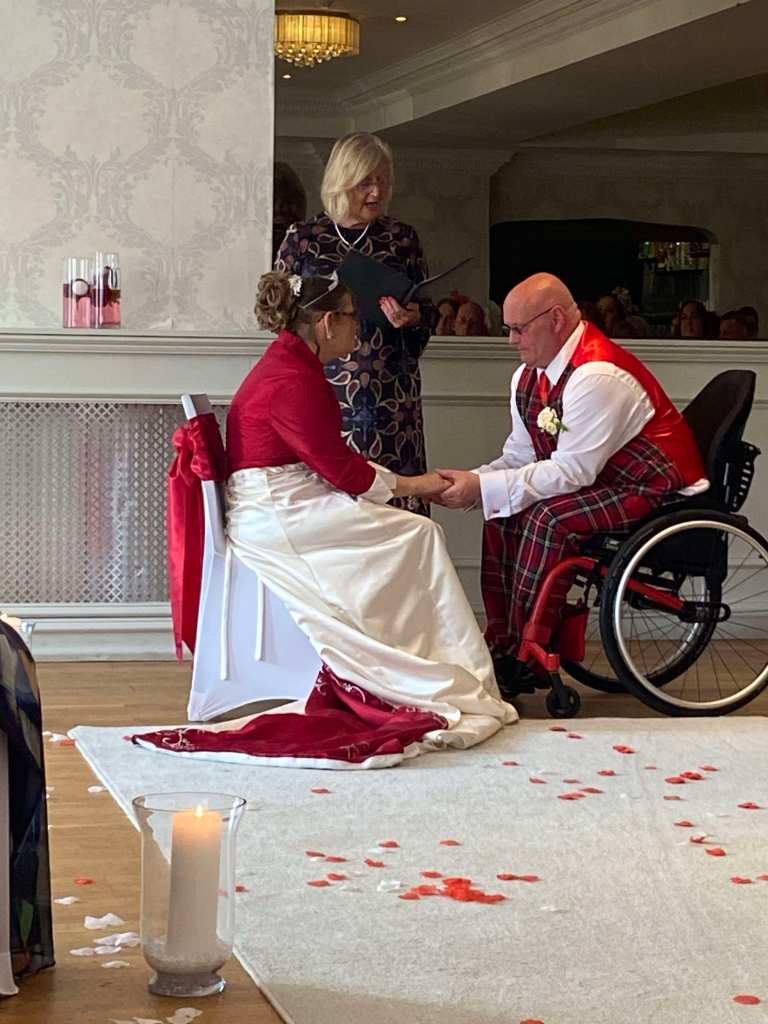
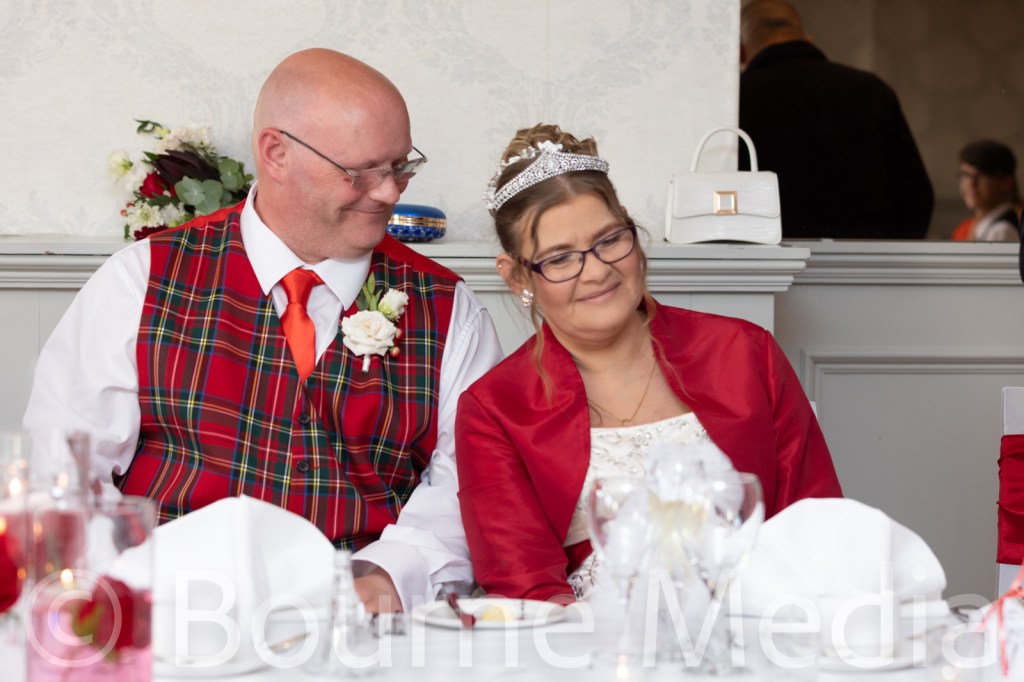
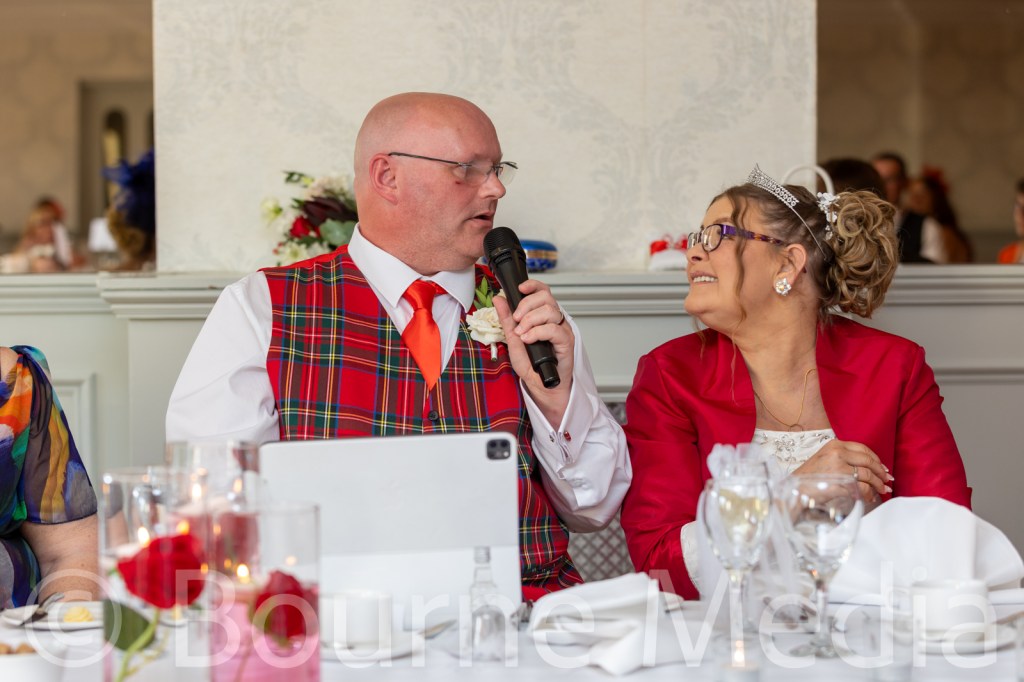
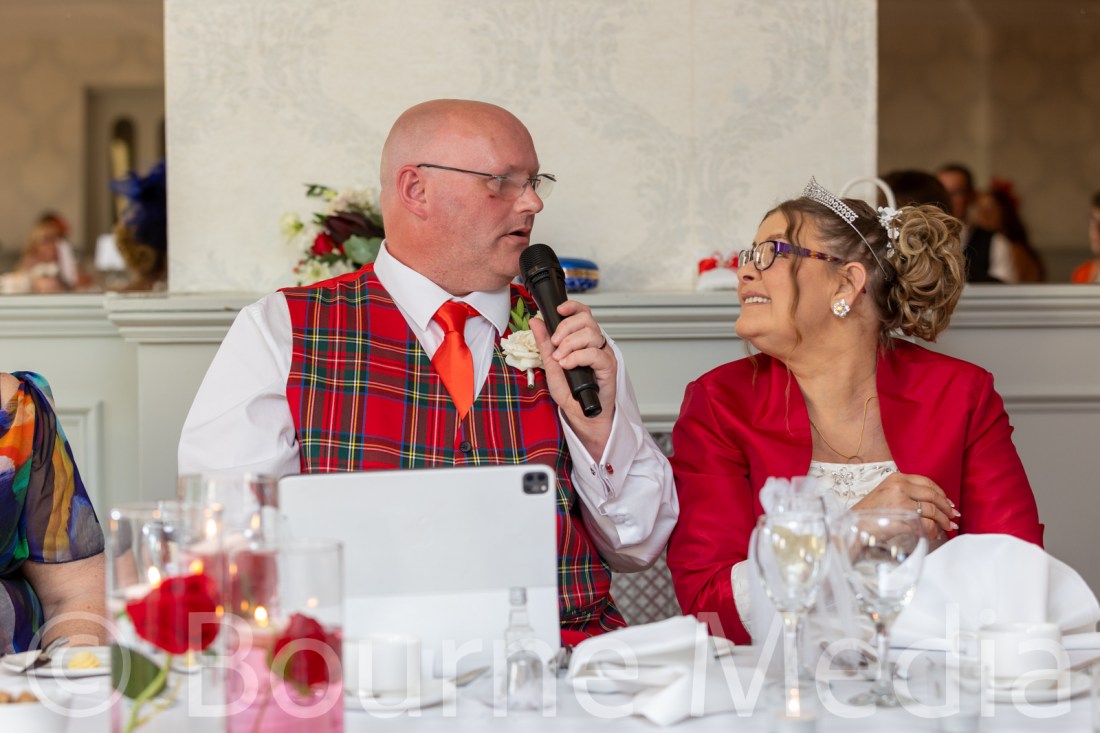
Daniel and Elizabeth Anderson-McIntyre. Daniel is wearing red tartan and Elizabeth is wearing a white and red wedding dress.

In 2024, my lady moves in with me and on August 31st 2024 we are married at the Fairfield House hotel in Ayr, in a humanist ceremony.

I still adore the village, even after two years.

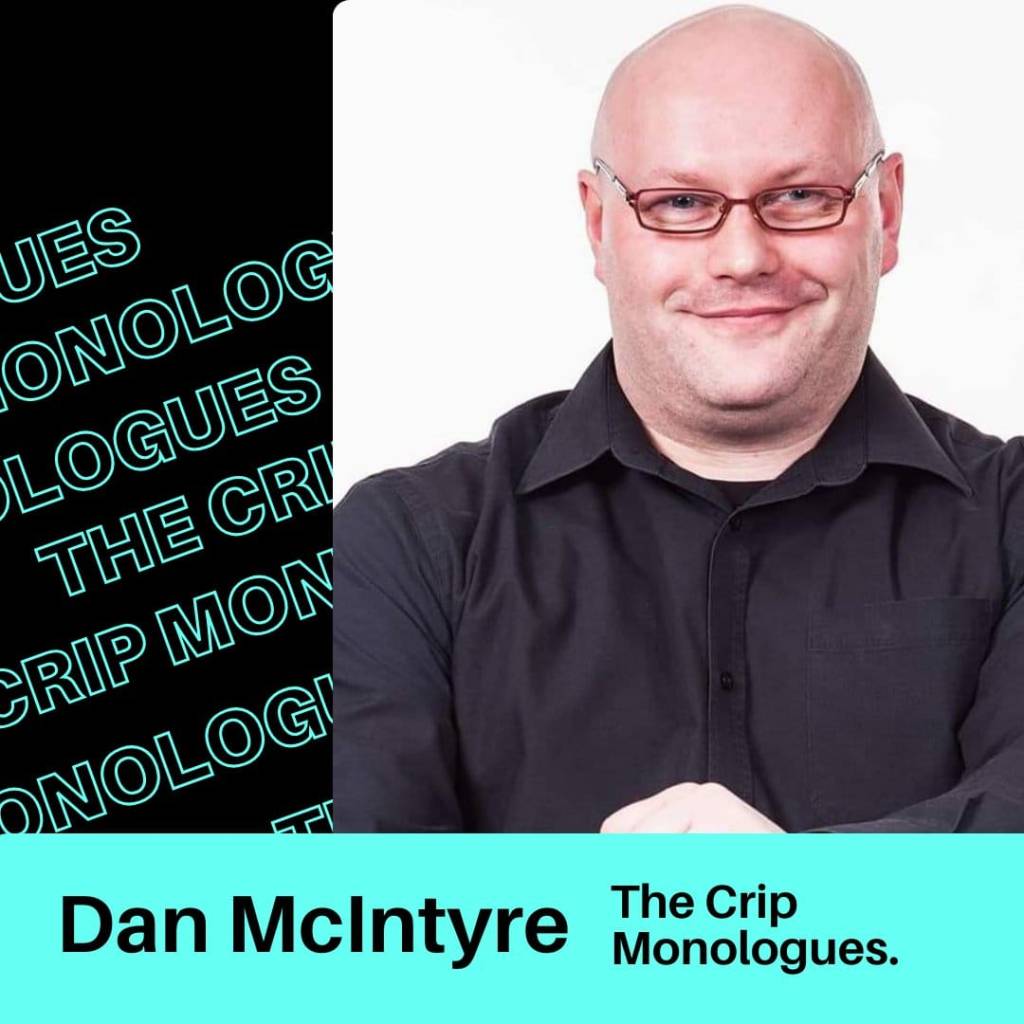
Crip Monologues Project: A Writer’s Journey to Recognition and Inspiration

So back in November I spotted a Facebook post which mentioned that CRIPtic Arts in London were looking for writers for a project named the Crip Monologues.

Writers were invited to pitch ideas at the CRIPtic team and from those pitches 12 would be chosen to develop a script for a 10-15 minute monologue, with the subject being scrutiny; people who are stared at when they enter a room or go shopping; people who look different to the “norm”.

I was one of the 12 commissioned, which was obviously exciting for me, and I quickly had to learn how to write a script, having never done this previously. The commission for this piece was paid into my bank a few days after completion and that then made me officially a paid writer. For the first time in my life someone saw value in my writing! This has reawakened the buzz inside of me to get a book finished and out there. I believe the Crip Monologues will be performed this year (2024.)

Meet the writers:

DWP Work Coach Shortage

Space Invaders

This post, from the blog diary of a disabled person, explains what happens when people use spaces designed for disabled people.

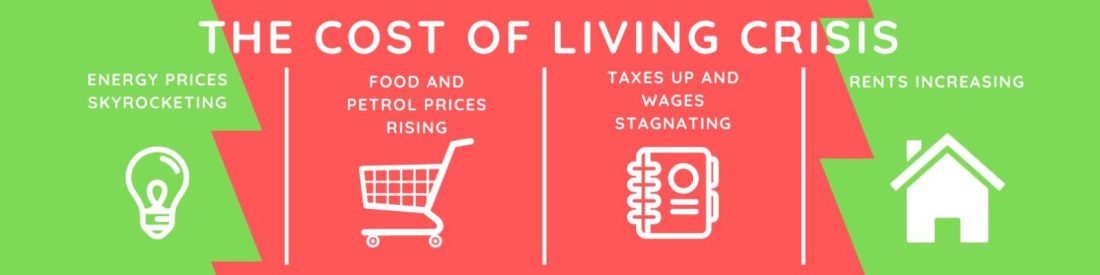
How the cost of living crisis is hurting disabled people

The cost of living crisis is affecting everyone in the UK, but especially disabled people. Disabled people face extra costs of £975 a month on average to reach the same living standards as non-disabled people. These costs include things like specialised equipment, adaptations, transport, care and support.

But now, disabled people are also facing soaring energy bills, rising food prices and inflation. This is putting them under immense financial pressure and forcing them to make impossible choices between essentials.

The energy crisis and disabled people

One of the main challenges for disabled people is the energy crisis. Many disabled people need to use more energy because of their impairment or condition. For example, they may need to keep their home at a certain temperature, use electric appliances like wheelchairs or hoists, or charge medical devices like ventilators or nebulisers.

According to Scope, a disability charity, over a third of disabled adults feel that their impairment or condition has an impact on how much energy they useAnd 91% of them are worried about energy bills this winter.

But the government’s support for disabled people to cope with the energy crisis is not enough. The Warm Home Discount, which gives eligible households a £150 rebate on their electricity bill, does not cover the extra costs that disabled people face. And the Disability Cost of Living Payment, which gave some disabled people a one-off payment of £150, comes nowhere near the costs. Just as an example, I’m currently paying over £200 per month for gas and electricity.

Scope’s research shows that 80% of disabled people receiving the £150 cost of living payment said it would not be enough to cover their increased costs for essentialsAnd 57% of disabled people eligible for the £650 cost of living payment said it would not be enough either.

As a result, many disabled people are falling into debt or cutting back on other essentials to pay their energy bills. Scope’s figures show that almost a third of disabled people have been pushed into debt in the last year, compared to 16% of non-disabled peopleAnd last month, the average energy debt of disabled households supported by Scope increased to £1,794.

The impact on disabled people’s health and wellbeing

The cost of living crisis is not only affecting disabled people’s finances, but also their health and wellbeing. Many disabled people are having to sacrifice their basic needs and dignity to cope with the rising costs.

Scope’s survey reveals some of the shocking choices that disabled people are making because of the cost of living crisis:

  • 38% of disabled people said they were not using heating when cold because of the cost of living, compared to 26% of non-disabled adults
  • 34% of disabled people said they were buying lower quality food, skipping meals and/or eating less because of the cost of living, compared to 19% of non-disabled adults
  • 20% of disabled people said they were cutting back or stopping showering and bathing because of the cost of living, compared to 9% of non-disabled adults

These choices can have serious consequences for disabled people’s physical and mental health. For example, not heating their home can increase the risk of infections, respiratory problems or hypothermia. Not eating enough or well can affect their immune system, energy levels or medication effectiveness. And not showering or bathing can lead to skin infections, pressure sores or loss of self-esteem.

What needs to change?

The cost of living crisis is making disabled people’s lives harder and more miserable. They deserve better support from the government and the energy sector to meet their needs and live with dignity.

Scope is calling on the government to:

Scope is also urging the energy regulators and suppliers to:

  • Extend the Warm Home Discount to more disabled customers who are struggling with their energy bills. Scope says that the current eligibility criteria are too narrow and exclude many disabled people who need the support.
  • Provide clear and accessible information and advice to disabled customers on how to switch to cheaper tariffs, access grants or schemes, or improve their energy efficiency. Scope says that many disabled people are not aware of their options or find it difficult to access them due to communication barriers or digital exclusion.
  • Offer flexible and fair payment plans to disabled customers who are in debt or arrears. Scope says that many disabled people are facing aggressive debt collection practices or threats of disconnection from their energy suppliers. Scope says that energy suppliers should take into account disabled people’s circumstances and income when setting up repayment arrangements.

How you can help

If you are a disabled person or know someone who is, you can get help from Scope’s Disability Energy Support service. This is a free and confidential service that can help you with your energy bills, debt, switching, grants and more. You can contact them by phone, email or webchat.

You can also support Scope’s campaign for a fairer deal for disabled people by signing their petition, sharing your story, or donating to their work.

Together, we can make sure that disabled people are not left behind in the cost of living crisis. We deserve to live with dignity, equality and independence.

Urinary catheters: what they are and how they can help

Urinary catheters are flexible tubes that are used to drain the bladder and collect urine in a drainage bag or a valve. They can be inserted through the urethra (the tube that carries urine out of the body) or through a small opening in the lower abdomen (the tummy). Urinary catheters are usually inserted by doctors or nurses in hospital or in the community.

There are different types of urinary catheters, depending on how long they are needed and how they are inserted. The main types are:

I have a Supra-Pubic Catheter. This is a tube that is inserted into a hole in my lower abdomen, just beneath my belly button, and directly into my bladder. I had the surgery for this in May 2018 after approximately 10 years of self-catheterising, which is inserting a tube into the urethra and into the bladder several times per day in order to drain the bladder. My hands got too unsteady to do this without causing significant pain and trauma. I made the decision to have surgery for an SPC and I’ve never looked back. Every 8 weeks a district nurse calls by my home to change the catheter.

Urinary catheters can have various benefits for people who have difficulty peeing naturally. They can:

However, urinary catheters can also have some risks and challenges, such as:

To reduce the risks and challenges of using urinary catheters, you should follow some general advice:

Urinary catheters are flexible tubes that are used to drain the bladder and collect urine in a drainage bag or a valve. They can be inserted through the urethra or through a small opening in the lower abdomen. There are different types of urinary catheters, depending on how long they are needed and how they are inserted. Urinary catheters can have various benefits for people who have difficulty peeing naturally, but they can also have some risks and challenges. To reduce these, you should choose the right type of catheter for your needs and preferences, keep your catheter clean and well-maintained, drink plenty of fluids, and seek support if you need it.

How to Travel the World with a Wheelchair

Travelling the world is a dream for many people, but it can seem daunting or impossible if you use a wheelchair. However, with some planning, research and creativity, you can overcome the barriers and enjoy the wonders of different cultures, landscapes and experiences. In this blog post, I will share some tips and resources to help you plan your wheelchair accessible trip. I’m Dan McIntyre and I’ve travelled the length and breadth of Europe with my wheelchair, from a gondola in Venice to the Nurburgring in Germany and even stopped by the Police in Monaco.

Choose your destination wisely

Not all destinations are equally wheelchair friendly, so you need to do some research before you book your flight. Some factors to consider are:

  • The accessibility of public transportation, such as buses, trains, taxis and subways.
  • The availability of wheelchair accessible accommodation, such as hotels, hostels, apartments or homestays.
  • The accessibility of attractions, such as museums, monuments, parks, beaches and historical sites.
  • The accessibility of restaurants, cafes, bars and shops.
  • The attitude and awareness of the local people towards disability and accessibility.

You can find useful information about the accessibility of various destinations on websites such as Wheelchair TravelSimply Emma and World on Wheels. These are wheelchair travel blogs that provide comprehensive reviews and advice on accessible travel for both people with limited mobility and wheelchair users. You can also join online communities and forums where you can ask questions and get recommendations from other wheelchair travellers.

Plan your itinerary carefully

Once you have chosen your destination, you need to plan your itinerary carefully. You want to make sure that you have enough time and energy to enjoy your trip without exhausting yourself or encountering unexpected obstacles. Some tips to plan your itinerary are:

  • Book your flights well in advance and inform the airline about your wheelchair and any special assistance you may need. You can also request a bulkhead seat or an aisle seat for more space and comfort.
  • Book your accommodation in advance and confirm that it is wheelchair accessible. You can also ask for specific details such as the width of the doorways, the height of the bed, the availability of a roll-in shower or a ceiling hoist.
  • Check the opening hours and accessibility of the attractions you want to visit. You can also look for discounts or free admission for disabled visitors and their companions.
  • Plan your transportation options between different locations. You can use public transportation if it is accessible or book a wheelchair accessible taxi or rental car. You can also use apps such as Wheelmap or Access Earth to find accessible places nearby.
  • Pack light and smart. You don’t want to carry too much luggage that can weigh you down or take up space. You also want to pack essential items such as medications, spare parts, tools, chargers, adapters and travel insurance documents.

Be flexible and adventurous

Even with careful planning, you may encounter some challenges or surprises along the way. You may find that some places are not as accessible as they claimed to be or that some services are not available or reliable. You may also face some cultural differences or language barriers that can make communication difficult. However, don’t let these things ruin your trip. Instead, be flexible and adventurous and try to find alternative solutions or opportunities. Some tips to be flexible and adventurous are:

  • Be prepared for the unexpected and have a backup plan in case something goes wrong. You can also have an emergency contact number or a travel agent who can help you in case of trouble.
  • Be open-minded and respectful of the local culture and customs. You may encounter some different views or attitudes towards disability and accessibility that may not match your expectations or preferences. Try to understand their perspective and educate them if necessary.
  • Be friendly and sociable with the local people and other travellers. You may find some helpful allies or new friends who can assist you or enrich your experience. You may also learn some useful tips or insights from them.
  • Be adventurous and try new things that are within your comfort zone and abilities. You may discover some hidden gems or amazing experiences that you would not have otherwise.

Fun facts: The Police stop in Monaco was because I was following the F1 track round at some early hour of the morning and coming off a roundabout the exit I needed was being guarded by a Policeman, so in a slight panic I went completely around the roundabout and started heading back the way I’d come, not noticing the no entry signs. I’d got about 50 yards when I realised it was a one-way street and at the same time I realised that 2 Police cars stuck their lights and sirens on and parked right up to me to ask what I was doing.

The gondola ride in Venice was very expensive but also amazing. There is a jetty with a lift that can take you and your wheelchair down into the boat, so wheelchair users don’t have to leave their chair at all.

Travelling with a wheelchair may seem challenging, but it is not impossible. With some planning, research and creativity, you can explore the world and have a memorable trip. I hope this blog post has inspired you to travel more and make new discoveries, whether that’s abroad or in your own hometown. Happy travels!

What is Multiple Sclerosis and how does it affect people?

Multiple Sclerosis (MS) is a condition that affects the brain and spinal cord, causing damage to the nerves that carry messages between them. This damage can lead to a variety of symptoms, such as problems with vision, movement, sensation, balance, thinking and emotions. MS is a lifelong condition that can sometimes cause serious disability, although it can also be mild or moderate in some cases. There is no cure for MS, but treatments can help manage the symptoms and reduce the frequency of relapses.

MS affects more than 2.8 million people worldwide and around 130,000 people in the UKIt is one of the most common causes of neurological disability in young adultsIt is more common in women than men, and usually starts in the 20s, 30s or 40sThe exact cause of MS is unknown, but it is thought to involve a combination of genetic and environmental factors that trigger an abnormal immune response against the myelin sheath, the protective layer that surrounds the nerve fibres.

MS is a complex and unpredictable condition that can affect people in different ways. There are four main types of MS:

  • Relapsing remitting MS (RRMS): This is the most common type of MS, affecting around 85% of people with MS. People with RRMS have episodes of new or worsening symptoms, called relapses, followed by periods of recovery, called remissions. The symptoms may disappear completely or partially after a relapse, but some may persist or get worse over time.
  • Secondary progressive MS (SPMS): This type of MS usually develops after many years of RRMS. People with SPMS have a gradual worsening of symptoms over time, with or without occasional relapses. About two-thirds of people with RRMS will develop SPMS within 15 years of diagnosis.
  • Primary progressive MS (PPMS): This type of MS affects about 10-15% of people with MS. People with PPMS have a steady increase in symptoms from the onset, without any relapses or remissions. PPMS tends to start later than other types of MS, usually in the 40s or 50s.
  • Progressive relapsing MS (PRMS): This is a rare type of MS, affecting less than 5% of people with MS. People with PRMS have a steady progression of symptoms from the onset, as well as occasional relapses. PRMS can start at any age.

The symptoms of MS vary widely from person to person and can affect any part of the body. Some of the most common symptoms include:

  • Fatigue: This is one of the most common and troublesome symptoms of MS. It is an overwhelming sense of exhaustion that can make everyday activities difficult or impossible.
  • Vision problems: These can include blurred vision, double vision, loss of vision, colour blindness, eye pain or flashes of light. These are often caused by inflammation or damage to the optic nerve (optic neuritis).
  • Numbness and tingling: These are abnormal sensations that can affect different parts of the body, such as the arms, legs or trunk. They are caused by damage to the sensory nerves.
  • Muscle spasms, stiffness and weakness: These are problems with muscle function that can affect movement, balance and co-ordination. They are caused by damage to the motor nerves.
  • Pain: This can be acute or chronic pain that can affect different parts of the body. It can be caused by nerve damage (neuropathic pain) or muscle spasms (musculoskeletal pain).
  • Problems with thinking, learning and planning: These are cognitive problems that can affect memory, attention, concentration, reasoning and problem-solving. They are caused by damage to the brain tissue.
  • Depression and anxiety: These are emotional problems that can affect mood, motivation and self-esteem. They can be caused by the impact of living with MS or by changes in brain chemistry.
  • Sexual problems: These can include reduced libido, erectile dysfunction, vaginal dryness or difficulty reaching orgasm. They can be caused by physical or psychological factors.
  • Bladder problems: These can include urinary urgency, frequency, incontinence or retention. They can be caused by damage to the nerves that control bladder function.
  • Bowel problems: These can include constipation, diarrhoea or faecal incontinence. They can be caused by damage to the nerves that control bowel function.
  • Speech and swallowing difficulties: These can include slurred speech, difficulty finding words or swallowing food or drink. They can be caused by damage to the nerves that control speech and swallowing.

The severity and impact of these symptoms can vary from person to person and over time. Some people may only experience mild or occasional symptoms, while others may have more severe or frequent symptoms that affect their quality of life. The symptoms can also be influenced by factors such as stress, infection, temperature, medication or menstruation.

MS can be a challenging condition to live with, but there are ways to manage the symptoms and cope with the changes. There are various treatments available for MS, such as medication, therapy, surgery or complementary therapies. These can help reduce inflammation, prevent relapses, slow down progression, relieve symptoms or improve function. There are also support services and resources available for people with MS and their families, such as MS nurses, physiotherapists, occupational therapists, counsellors, social workers or support groups. These can provide information, advice, guidance, practical help or emotional support.

MS is not a fatal condition, but it can affect life expectancy to some extent. The average life expectancy for people with MS is about 5 to 10 years lower than the general population. However, this can vary depending on the type of MS, the age of onset, the severity of symptoms and the availability of treatment. Many people with MS can live long and fulfilling lives with the right care and support.

If you want to learn more about MS, you can visit the following websites:

  • MS Society: A UK charity that provides information, support and research for people affected by MS.
  • MS Trust: A UK charity that provides information, education and specialist services for people living with MS.
  • NHS: The UK’s national health service that provides information and advice on health conditions and treatments.

Take Control of Your Career By Building a Business From Home

This is a guest post by Elijah Dawson of Look for Jobs Here

Are you looking to take control of your career? Starting and running your own business allows you to be your own boss, work on your own terms, and live the life you want. With the right plan and some hard work, you can build a successful business from the comfort of your own home.

Have a Well-Appointed Office Space

When working from home, it’s important to have a designated office space in order to stay productive. This will help reduce distractions and allow you to focus on building your business without worrying about other household chores or tasks. You should also make sure that this space is comfortable and inviting, as this will make it easier for you to spend time in it. Also see that you make the space accessible and client-appropriate.

Setting up a home office can also add to your home’s value. Such improvements and updates often result in a boost in one’s property appraisal value, which is a great help should you decide to sell your home soon. Be sure to save all the receipts as you create the office space so you can justify the update in the future.

Write a Business Plan

Creating a detailed business plan is crucial for starting any successful business. It should outline start-up costs, target customers, market research, and marketing strategies. Harvard Business Review points out that a well-thought-out plan makes it easier for potential investors or lenders to understand the project and to decide if they want to invest or provide funding.

Hire Remote Workers

Hiring remote workers can be a viable solution for businesses looking to grow quickly and save on overhead costs. Remote workers offer flexibility in terms of work location and required resources, resulting in lower expenses over time. Additionally, remote work allows access to a wider pool of talent, including specialised skillsets unavailable locally.

Develop a Marketing Plan

A marketing plan is crucial for the success of any new product or service launch. It outlines how you will reach potential customers and convince them to choose your offer over others in the market. This plan includes creating an online presence, building relationships with influencers, advertising through multiple channels, and utilising referral programs to maximise customer reach and build brand trust.

Take Advantage of YouTube

Utilising Youtube‘s global user base of millions provides an incredible opportunity for effective advertising. By incorporating banners and ads within related videos, businesses can greatly amplify their reach and attract customers. And with Youtube‘s free and user-friendly platform, it’s easy to get started.

Take Breaks

The Wellbeing Thesis notes that taking regular breaks throughout the day is crucial to maintain productivity levels and avoiding burnout caused by overworking oneself. Engaging in activities like taking walks outside, reading books, or listening to music can help rejuvenate the mind and body from prolonged hours spent staring at screens. Even short breaks away from the workspace can have a significant impact on an individual’s productivity and overall well-being.

Get an Online Business Degree 

Going back to school to sharpen their current skill sets can benefit individuals who aim to become better entrepreneurs and leaders. Either by enrolling in a full-time study program or online classes, individuals can improve themselves professionally and gain a university degree which can increase their employment opportunities. This approach can also provide huge time savings and demonstrate the applicant’s commitment to personal and professional growth, which is highly valued by potential employers.

Building a successful business requires hard work and dedication, but the effort is worth it. One should consider having a designated office space. Utilising sites like YouTube and sharpening your skillset by going back to school to earn an online degree are all effective tips that can help you take your first steps toward owning your own business and tackle future obstacles head-on.

Image via Pexels