A Friendly Village & A Love Story

Mauchline village sign which features a bust of Robert Burns on top of the name Mauchline

Mauchline. The name of a village in Ayrshire, Scotland. This is a place where everyone knows each other and treats each other with friendliness and helpfulness. Home of poet Robert “Rabbie” Burns, this village has at its heart a busy road junction, where the B743 & A76 intersect. How does this small space connect with a love story? How does this junction in particular play a part? Read on…
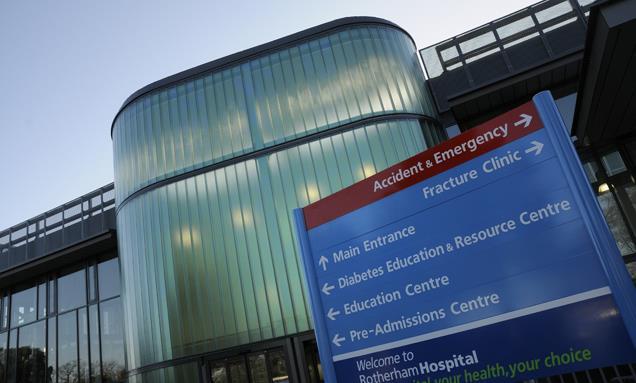
Main entrance of Rotherham hospital

It’s 2019, and I’m living in Rotherham, working at the local hospital, and single. I registered with a dating site for disabled people. I soon get chatting to a lady from Scotland who seems interesting and interested. Our online chats evolved into phone conversations over several months; I was surprised by her pronounced Scottish brogue. I express this surprise to her for some crazy reason; I mean, what did I expect? That faux pas doesn’t seem to put her off, thankfully.

After a couple of months we agree to meet for a date. This is exciting for me for two reasons: the usual first date nerves and the road trip. There is a distance of 250 miles and, according to the sat nav, this will take around five hours to cover. I love a road trip!

A scenic shot which features a sweeping landscape and a white car

My route comprises picking up the A1 north from Rotherham, leaving the A1 at Scotch Corner and jumping onto the A66 to cross over from east to west before then taking the M6/M74 north and crossing the border into Scotland. The drive is scenic; I have the music up loud and life feels good.

Leaving the M74 at junction 12 I take the road to Ayr (A70), which I follow for quite a few miles before turning off onto the B743 signposted for Sorn, and loving the drive on this twisting country road, where villages and hamlets pass by almost in a blur. Rounding a bend on top of a hill, I enter a village whose sign declares it to be Mauchline. Aggressive speed bumps menace the downhill. To the right is what appears to be a school, explaining the speed humps. I come to what looks like a large junction, controlled by traffic lights. The sat nav guides me to turn left and then turn right to continue on the road to Ayr. I see a gift shop named Many Thanks, and there’s a pharmacy and a Co-op. I left the village behind and didn’t think any more about it.

I will follow this routine every weekend for the next three years. Sometimes I leave on a Friday evening after finishing work for the week, sometimes leaving Rotherham early on the Saturday morning instead. I pass through the village of Mauchline on every journey, never giving it a second thought. It’s just a set of traffic lights and a junction and it flashes by.

In 2022, I was retired from my NHS role due to ill-health and an inability to continue to fulfil my role. Later in the year, my lady and I go to Blackpool for a weekend. My partner books tickets to two shows, with the second being a country music tribute night. Unbeknownst to her, I’ve arranged with the venue to propose to her on stage before the show starts.

Calling my lady onto the stage, the host tells her she’s won a prize. Bewildered, she makes her way onto the stage and I follow. Upon my arrival, the host handed me the microphone, and my mind went blank. Perfect timing. I’d had a bit of a speech planned and rehearsed, but that all goes out the window, so I just look at my lady and then sink to one knee, pull the ring box out of my pocket and utter those famous words, “Will you marry me? The answer is yes, and the ring fits perfectly on her tiny finger, as I’d craftily found out her size from her mother.

The audience cheers, and we leave the stage, back to our table and me shaking and struggling to leave the stage. When the first act appears, he dedicates his set to us and wishes us well for the future.

At this point I’m still making the 10-hour round trip to and from Ayr but, having retired, I don’t have to be back home for work on Mondays. While we make plans for our wedding in 2024, we also look for places we could make our marital home. We investigate places in Girvan, Ayr, and other places, and eventually find a nice, quaint-looking bungalow.
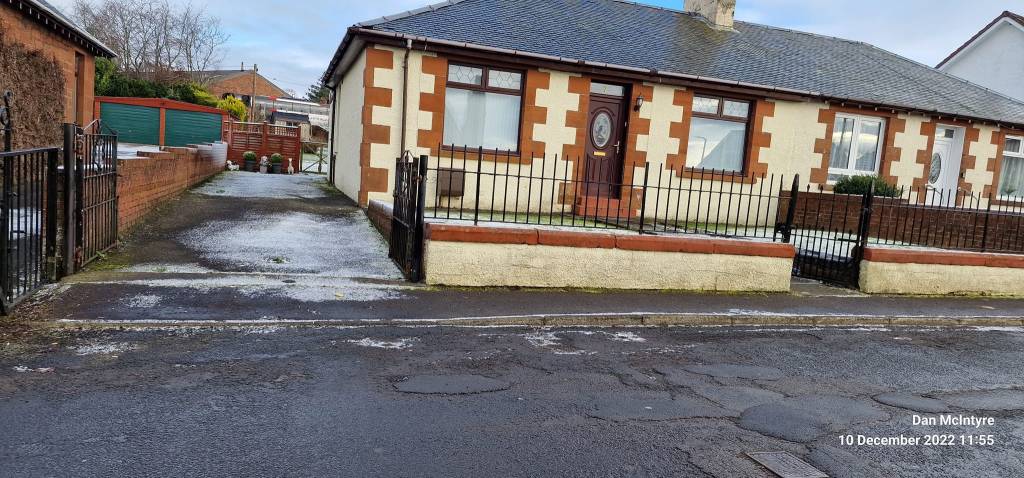
A bungalow with its drive way

Can you guess where this house might be? I bet you can. Of course, it’s in Mauchline, just a few seconds away from that junction I mentioned earlier. The one I’ve been casually driving through for the past three years without a second thought. In January 2023, I moved in and discovered how friendly the people of the village are, from our neighbours to the ladies in the pharmacy among others.

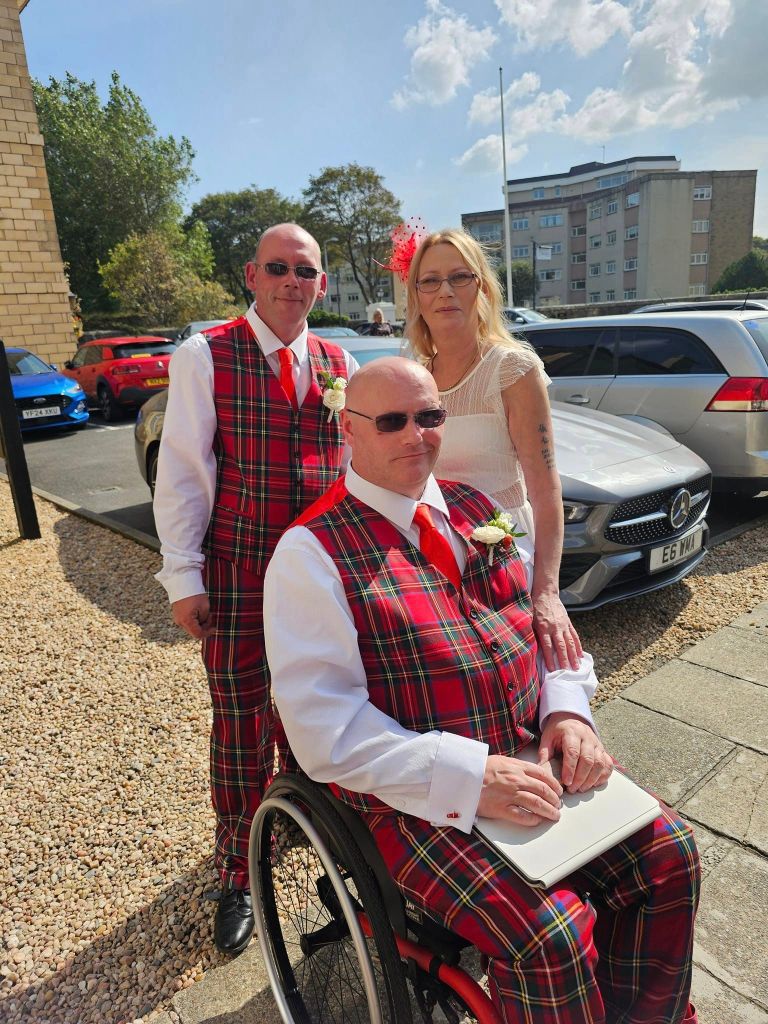
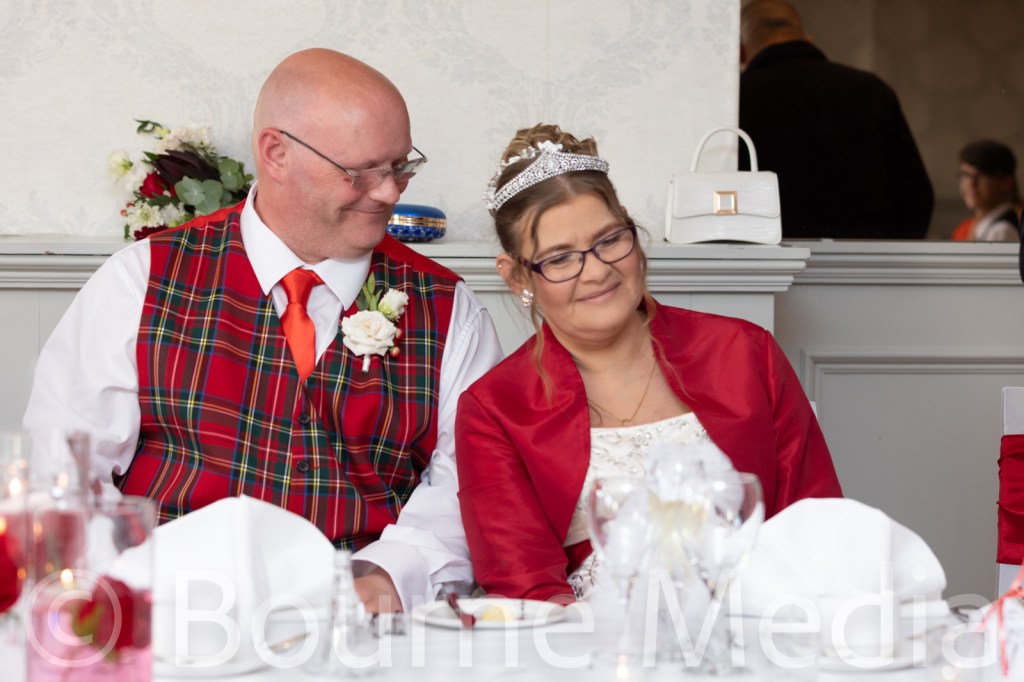
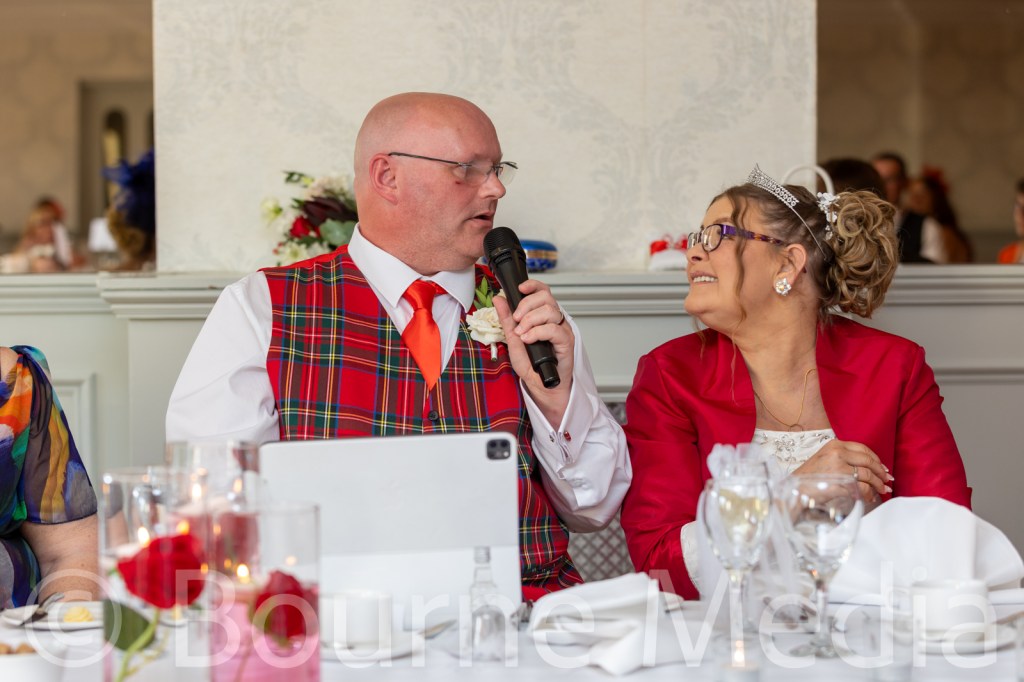
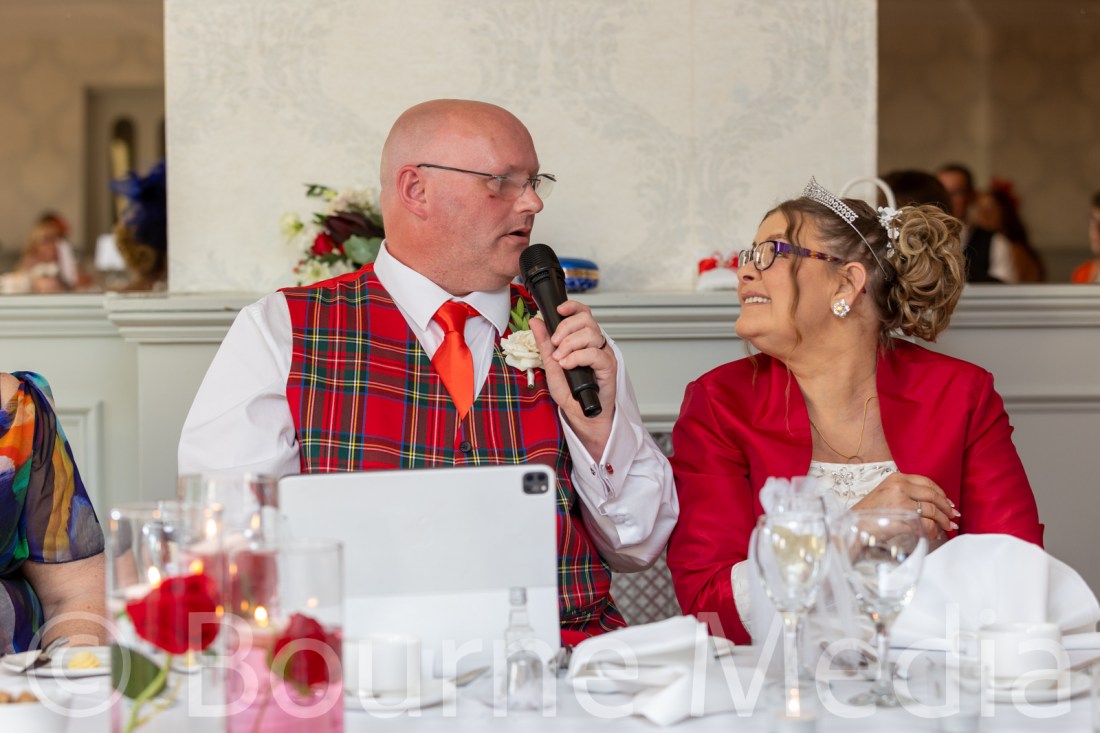
Daniel and Elizabeth Anderson-McIntyre. Daniel is wearing red tartan and Elizabeth is wearing a white and red wedding dress.

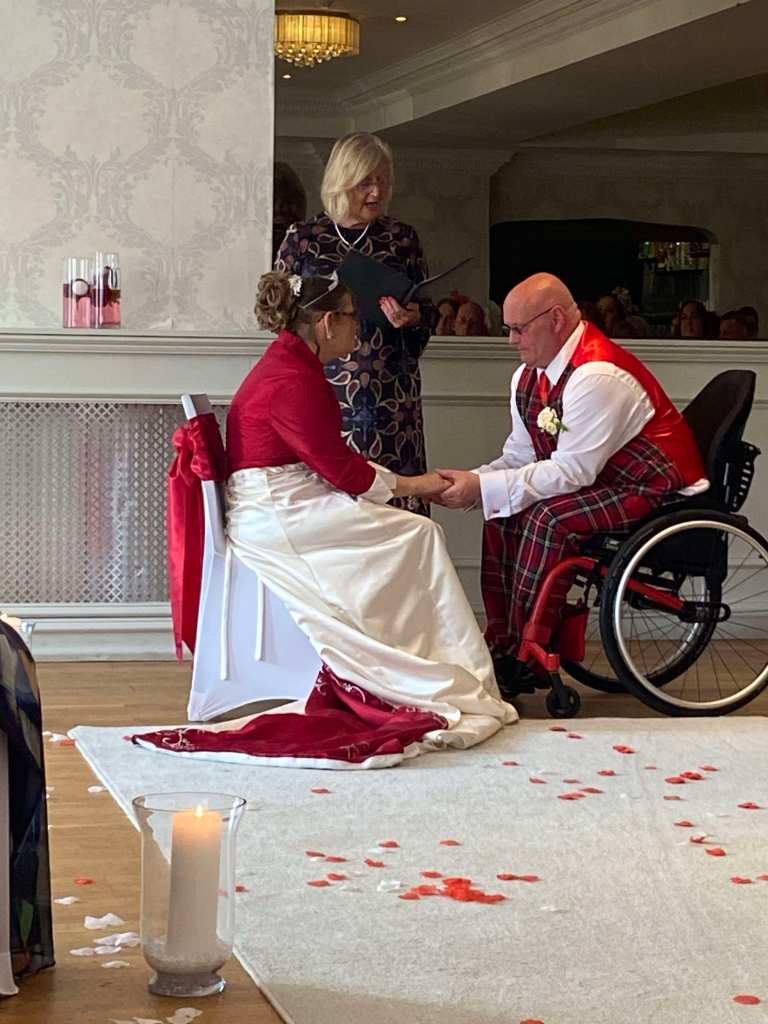
In 2024, my lady moves in with me and on August 31st 2024 we are married at the Fairfield House hotel in Ayr, in a humanist ceremony.

I still adore the village, even after two years.

How to Travel the World with a Wheelchair

Travelling the world is a dream for many people, but it can seem daunting or impossible if you use a wheelchair. However, with some planning, research and creativity, you can overcome the barriers and enjoy the wonders of different cultures, landscapes and experiences. In this blog post, I will share some tips and resources to help you plan your wheelchair accessible trip. I’m Dan McIntyre and I’ve travelled the length and breadth of Europe with my wheelchair, from a gondola in Venice to the Nurburgring in Germany and even stopped by the Police in Monaco.

Choose your destination wisely

Not all destinations are equally wheelchair friendly, so you need to do some research before you book your flight. Some factors to consider are:

  • The accessibility of public transportation, such as buses, trains, taxis and subways.
  • The availability of wheelchair accessible accommodation, such as hotels, hostels, apartments or homestays.
  • The accessibility of attractions, such as museums, monuments, parks, beaches and historical sites.
  • The accessibility of restaurants, cafes, bars and shops.
  • The attitude and awareness of the local people towards disability and accessibility.

You can find useful information about the accessibility of various destinations on websites such as Wheelchair TravelSimply Emma and World on Wheels. These are wheelchair travel blogs that provide comprehensive reviews and advice on accessible travel for both people with limited mobility and wheelchair users. You can also join online communities and forums where you can ask questions and get recommendations from other wheelchair travellers.

Plan your itinerary carefully

Once you have chosen your destination, you need to plan your itinerary carefully. You want to make sure that you have enough time and energy to enjoy your trip without exhausting yourself or encountering unexpected obstacles. Some tips to plan your itinerary are:

  • Book your flights well in advance and inform the airline about your wheelchair and any special assistance you may need. You can also request a bulkhead seat or an aisle seat for more space and comfort.
  • Book your accommodation in advance and confirm that it is wheelchair accessible. You can also ask for specific details such as the width of the doorways, the height of the bed, the availability of a roll-in shower or a ceiling hoist.
  • Check the opening hours and accessibility of the attractions you want to visit. You can also look for discounts or free admission for disabled visitors and their companions.
  • Plan your transportation options between different locations. You can use public transportation if it is accessible or book a wheelchair accessible taxi or rental car. You can also use apps such as Wheelmap or Access Earth to find accessible places nearby.
  • Pack light and smart. You don’t want to carry too much luggage that can weigh you down or take up space. You also want to pack essential items such as medications, spare parts, tools, chargers, adapters and travel insurance documents.

Be flexible and adventurous

Even with careful planning, you may encounter some challenges or surprises along the way. You may find that some places are not as accessible as they claimed to be or that some services are not available or reliable. You may also face some cultural differences or language barriers that can make communication difficult. However, don’t let these things ruin your trip. Instead, be flexible and adventurous and try to find alternative solutions or opportunities. Some tips to be flexible and adventurous are:

  • Be prepared for the unexpected and have a backup plan in case something goes wrong. You can also have an emergency contact number or a travel agent who can help you in case of trouble.
  • Be open-minded and respectful of the local culture and customs. You may encounter some different views or attitudes towards disability and accessibility that may not match your expectations or preferences. Try to understand their perspective and educate them if necessary.
  • Be friendly and sociable with the local people and other travellers. You may find some helpful allies or new friends who can assist you or enrich your experience. You may also learn some useful tips or insights from them.
  • Be adventurous and try new things that are within your comfort zone and abilities. You may discover some hidden gems or amazing experiences that you would not have otherwise.

Fun facts: The Police stop in Monaco was because I was following the F1 track round at some early hour of the morning and coming off a roundabout the exit I needed was being guarded by a Policeman, so in a slight panic I went completely around the roundabout and started heading back the way I’d come, not noticing the no entry signs. I’d got about 50 yards when I realised it was a one-way street and at the same time I realised that 2 Police cars stuck their lights and sirens on and parked right up to me to ask what I was doing.

The gondola ride in Venice was very expensive but also amazing. There is a jetty with a lift that can take you and your wheelchair down into the boat, so wheelchair users don’t have to leave their chair at all.

Travelling with a wheelchair may seem challenging, but it is not impossible. With some planning, research and creativity, you can explore the world and have a memorable trip. I hope this blog post has inspired you to travel more and make new discoveries, whether that’s abroad or in your own hometown. Happy travels!