
Hearing aids are small devices that fit in or behind your ear and can help you to hear sound louder and more clearly. They are battery-operated and have a microphone that picks up the sounds around you. These sounds are processed and amplified electronically, passed on to a receiver and converted back into sounds that you can hear.
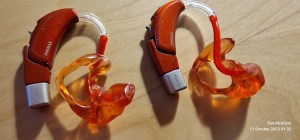
Hearing aids can improve your quality of life by helping you to communicate, enjoy social activities, and stay safe and independent. However, they may also require some adjustment and maintenance to get the best results. Here are some tips and advice on using hearing aids:
- Choose the right type of hearing aid for your needs. There are different types of hearing aids available, such as behind the ear (BTE), receiver in the ear (RITE), in the ear (ITE), in the canal (ITC), completely in the canal (CIC), and invisible in the canal (IIC). Each type has its own advantages and disadvantages, depending on your level of hearing loss, comfort, lifestyle, and budget. You can compare types, prices, and features of hearing aids from various sources, such as Hearing Aids | Digital Hearing Aids | Specsavers UK or Hearing Aid Types And Features With Pictures – Which?.
- Get fitted by a qualified audiologist. An audiologist is a specialist in hearing and hearing aids who can assess your hearing, recommend the best hearing aid for you, program it to suit your level of hearing loss, and show you how to use it and look after it. You can get hearing aids from the NHS or from a private provider. The NHS provides free hearing aids as a long-term loan, along with batteries and repairs. Private providers may offer a wider range of hearing aids, including smaller and less visible models, but you may have to pay for them.
- Wear your hearing aids regularly and gradually build up to wearing them full-time. It may take some time to get used to wearing hearing aids, especially if you have not worn them before or have not worn them for a long time. You may find that sounds are louder or different than you remember. You may also experience some discomfort or feedback (whistling) from your hearing aids. These are normal reactions that will improve over time as your brain adapts to the new sounds. To help with this process, you should wear your hearing aids regularly and gradually increase the amount of time you wear them each day. Start with quiet situations at home, then move on to more challenging environments with background noise or multiple speakers.
- Adjust the volume and settings of your hearing aids as needed. Most modern hearing aids have automatic features that adjust the volume and settings according to the sound environment you are in. However, you may still need to manually adjust them sometimes to suit your preferences or needs. For example, you may want to turn up the volume when listening to music or turn down the volume when in a noisy place. You may also want to change the settings when using the phone or watching TV. Some hearing aids have buttons or switches that allow you to do this easily. Others may have remote controls or smartphone apps that let you control your hearing aids wirelessly.
- Clean and maintain your hearing aids regularly. Hearing aids are delicate devices that need proper care and maintenance to function well and last longer. You should clean your hearing aids every day with a soft cloth or a special brush or tool provided by your audiologist. You should also check for any wax or debris that may block the sound outlet or microphone of your hearing aids and remove it gently with a wax pick or loop. You should also replace the batteries of your hearing aids when they run low or stop working. Some hearing aids have rechargeable batteries that can be charged overnight with a charger. You should also store your hearing aids in a dry and safe place when not in use, preferably in a case or a dehumidifier.
- Seek help if you have any problems with your hearing aids. If you experience any problems with your hearing aids, such as poor sound quality, feedback, discomfort, or damage, you should seek help from your audiologist as soon as possible. They can check your hearing aids, adjust them if needed, repair them if possible, or replace them if necessary. You should also see your audiologist regularly for follow-up appointments and aftercare. They can monitor your hearing, review your progress, answer your questions, and provide any support or advice you may need.
Using hearing aids can help you hear better and improve your quality of life. However, they may also require some adjustment and maintenance to get the best results. By following these tips and advice on using hearing aids, you can make the most of your hearing experience.
 Journeys In Words And On Wheels
You must be logged in to post a comment.