A Friendly Village & A Love Story

Mauchline village sign which features a bust of Robert Burns on top of the name Mauchline

Mauchline. The name of a village in Ayrshire, Scotland. This is a place where everyone knows each other and treats each other with friendliness and helpfulness. Home of poet Robert “Rabbie” Burns, this village has at its heart a busy road junction, where the B743 & A76 intersect. How does this small space connect with a love story? How does this junction in particular play a part? Read on…
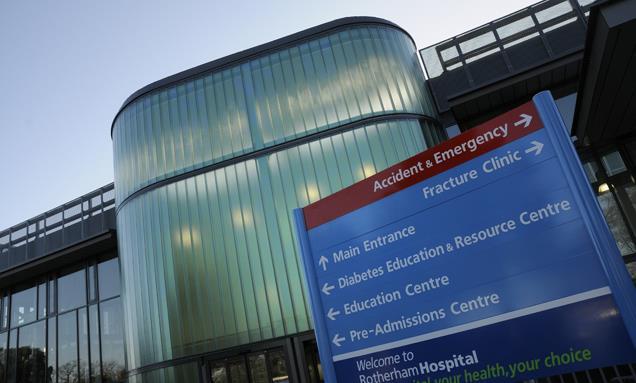
Main entrance of Rotherham hospital

It’s 2019, and I’m living in Rotherham, working at the local hospital, and single. I registered with a dating site for disabled people. I soon get chatting to a lady from Scotland who seems interesting and interested. Our online chats evolved into phone conversations over several months; I was surprised by her pronounced Scottish brogue. I express this surprise to her for some crazy reason; I mean, what did I expect? That faux pas doesn’t seem to put her off, thankfully.

After a couple of months we agree to meet for a date. This is exciting for me for two reasons: the usual first date nerves and the road trip. There is a distance of 250 miles and, according to the sat nav, this will take around five hours to cover. I love a road trip!

A scenic shot which features a sweeping landscape and a white car

My route comprises picking up the A1 north from Rotherham, leaving the A1 at Scotch Corner and jumping onto the A66 to cross over from east to west before then taking the M6/M74 north and crossing the border into Scotland. The drive is scenic; I have the music up loud and life feels good.

Leaving the M74 at junction 12 I take the road to Ayr (A70), which I follow for quite a few miles before turning off onto the B743 signposted for Sorn, and loving the drive on this twisting country road, where villages and hamlets pass by almost in a blur. Rounding a bend on top of a hill, I enter a village whose sign declares it to be Mauchline. Aggressive speed bumps menace the downhill. To the right is what appears to be a school, explaining the speed humps. I come to what looks like a large junction, controlled by traffic lights. The sat nav guides me to turn left and then turn right to continue on the road to Ayr. I see a gift shop named Many Thanks, and there’s a pharmacy and a Co-op. I left the village behind and didn’t think any more about it.

I will follow this routine every weekend for the next three years. Sometimes I leave on a Friday evening after finishing work for the week, sometimes leaving Rotherham early on the Saturday morning instead. I pass through the village of Mauchline on every journey, never giving it a second thought. It’s just a set of traffic lights and a junction and it flashes by.

In 2022, I was retired from my NHS role due to ill-health and an inability to continue to fulfil my role. Later in the year, my lady and I go to Blackpool for a weekend. My partner books tickets to two shows, with the second being a country music tribute night. Unbeknownst to her, I’ve arranged with the venue to propose to her on stage before the show starts.

Calling my lady onto the stage, the host tells her she’s won a prize. Bewildered, she makes her way onto the stage and I follow. Upon my arrival, the host handed me the microphone, and my mind went blank. Perfect timing. I’d had a bit of a speech planned and rehearsed, but that all goes out the window, so I just look at my lady and then sink to one knee, pull the ring box out of my pocket and utter those famous words, “Will you marry me? The answer is yes, and the ring fits perfectly on her tiny finger, as I’d craftily found out her size from her mother.

The audience cheers, and we leave the stage, back to our table and me shaking and struggling to leave the stage. When the first act appears, he dedicates his set to us and wishes us well for the future.

At this point I’m still making the 10-hour round trip to and from Ayr but, having retired, I don’t have to be back home for work on Mondays. While we make plans for our wedding in 2024, we also look for places we could make our marital home. We investigate places in Girvan, Ayr, and other places, and eventually find a nice, quaint-looking bungalow.
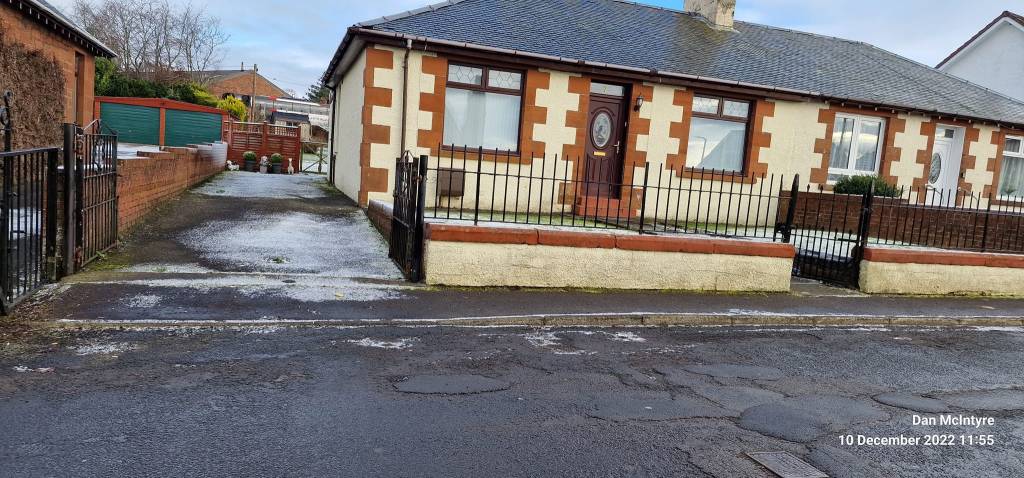
A bungalow with its drive way

Can you guess where this house might be? I bet you can. Of course, it’s in Mauchline, just a few seconds away from that junction I mentioned earlier. The one I’ve been casually driving through for the past three years without a second thought. In January 2023, I moved in and discovered how friendly the people of the village are, from our neighbours to the ladies in the pharmacy among others.

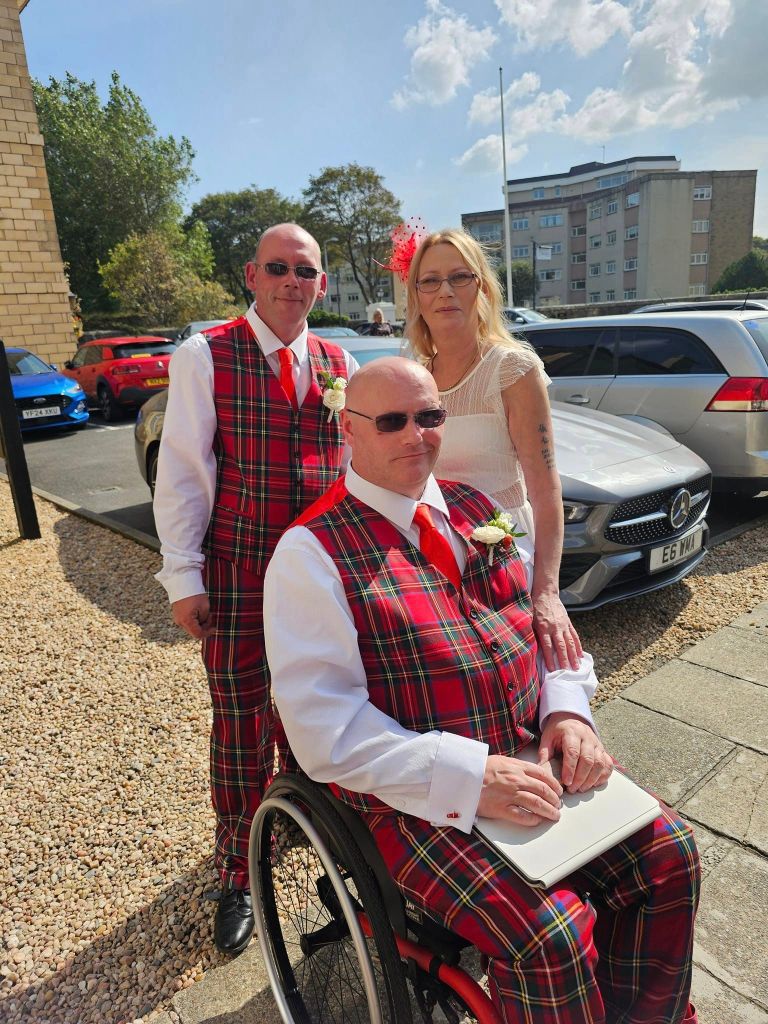
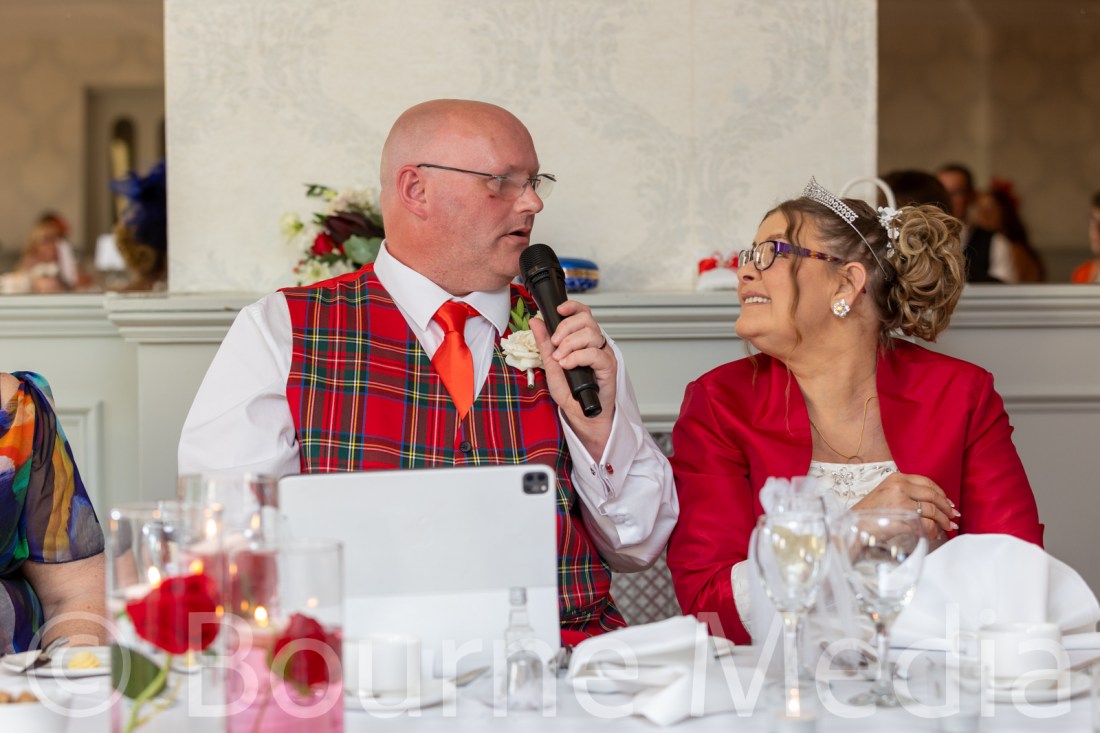
Daniel and Elizabeth Anderson-McIntyre. Daniel is wearing red tartan and Elizabeth is wearing a white and red wedding dress.

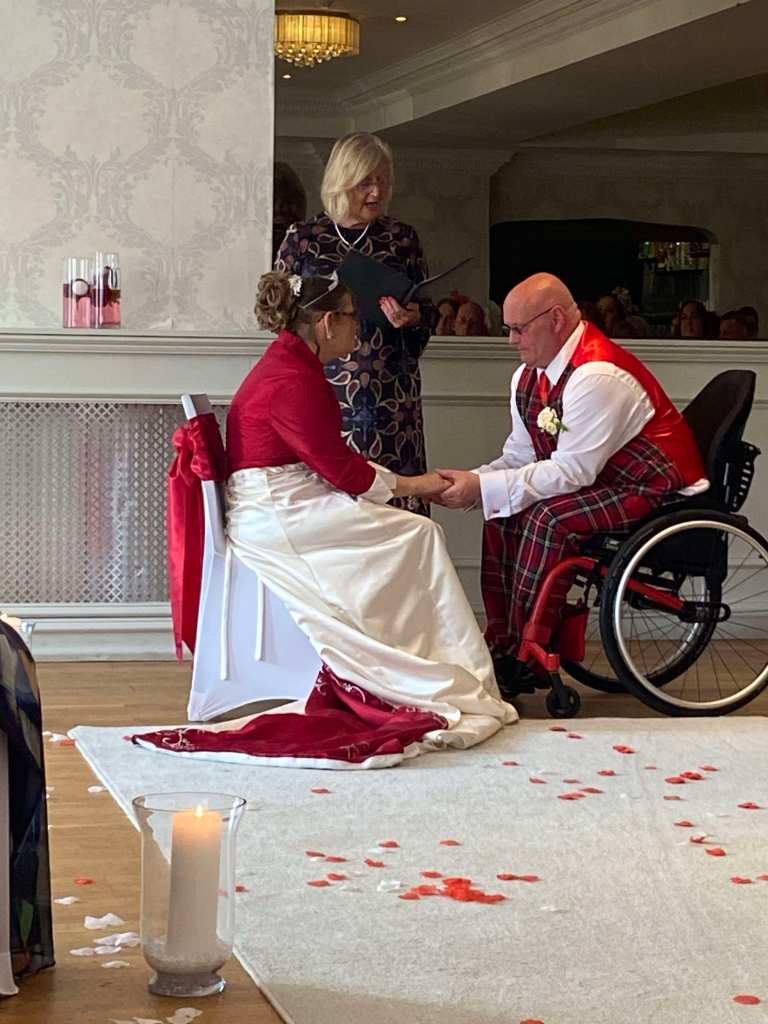
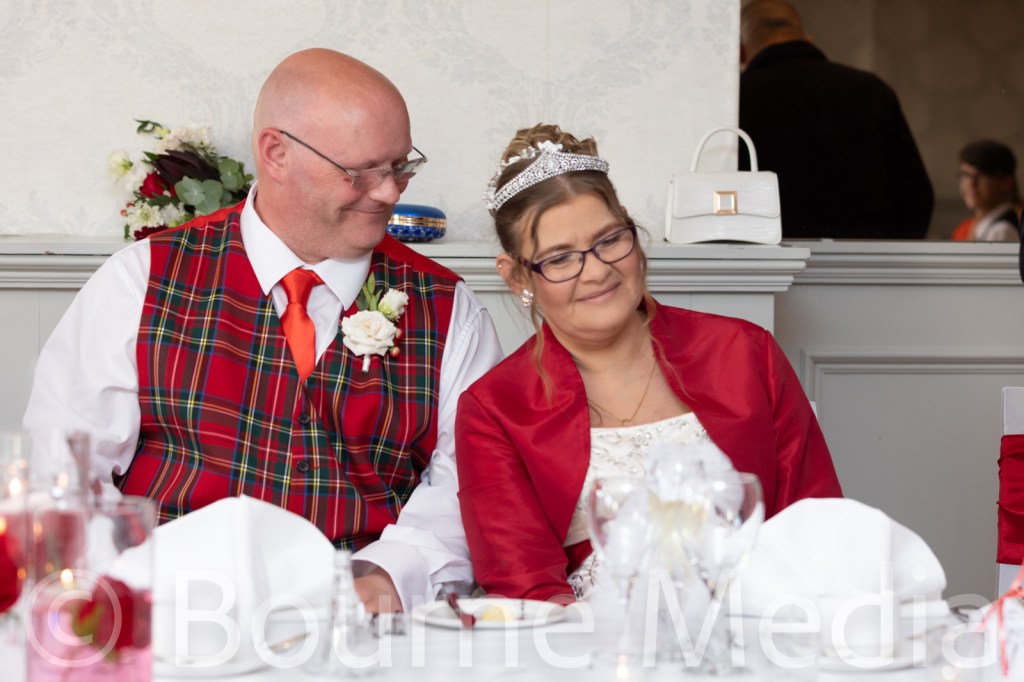
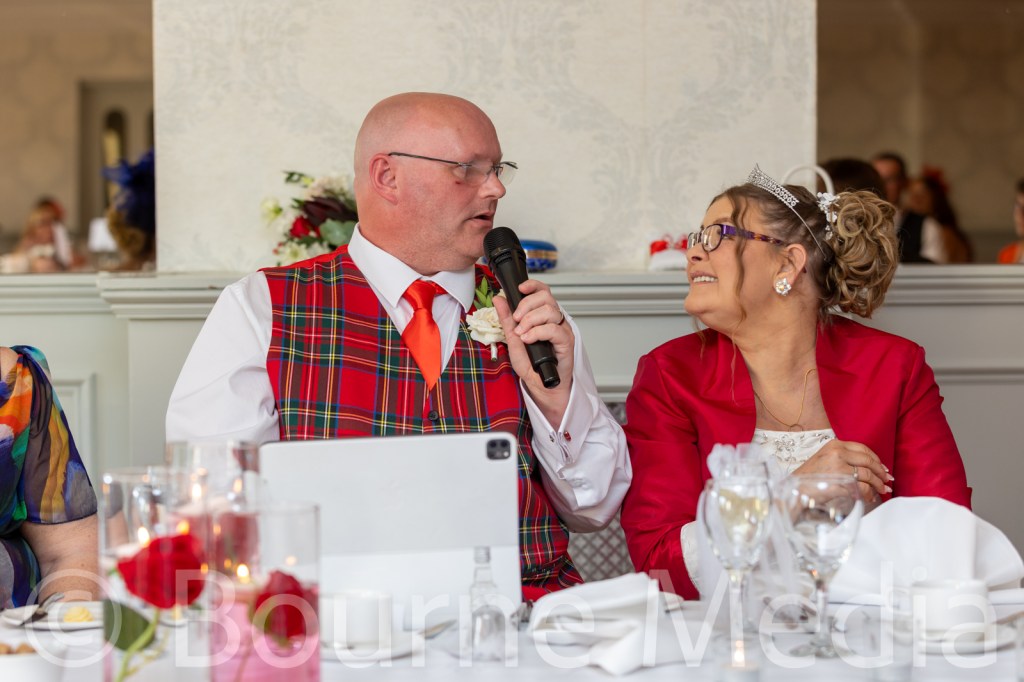
In 2024, my lady moves in with me and on August 31st 2024 we are married at the Fairfield House hotel in Ayr, in a humanist ceremony.

I still adore the village, even after two years.

Crip Monologues Project: A Writer’s Journey to Recognition and Inspiration

So back in November I spotted a Facebook post which mentioned that CRIPtic Arts in London were looking for writers for a project named the Crip Monologues.

Writers were invited to pitch ideas at the CRIPtic team and from those pitches 12 would be chosen to develop a script for a 10-15 minute monologue, with the subject being scrutiny; people who are stared at when they enter a room or go shopping; people who look different to the “norm”.

I was one of the 12 commissioned, which was obviously exciting for me, and I quickly had to learn how to write a script, having never done this previously. The commission for this piece was paid into my bank a few days after completion and that then made me officially a paid writer. For the first time in my life someone saw value in my writing! This has reawakened the buzz inside of me to get a book finished and out there. I believe the Crip Monologues will be performed this year (2024.)

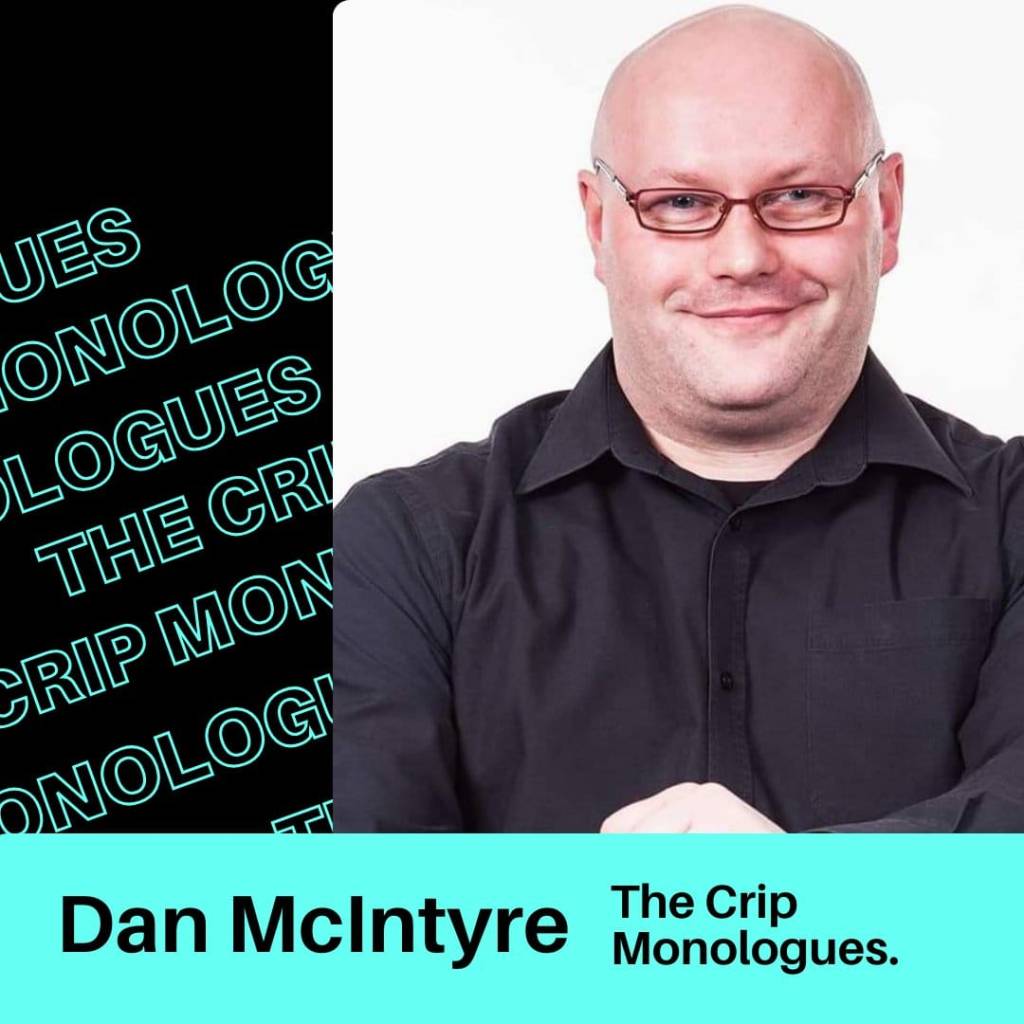
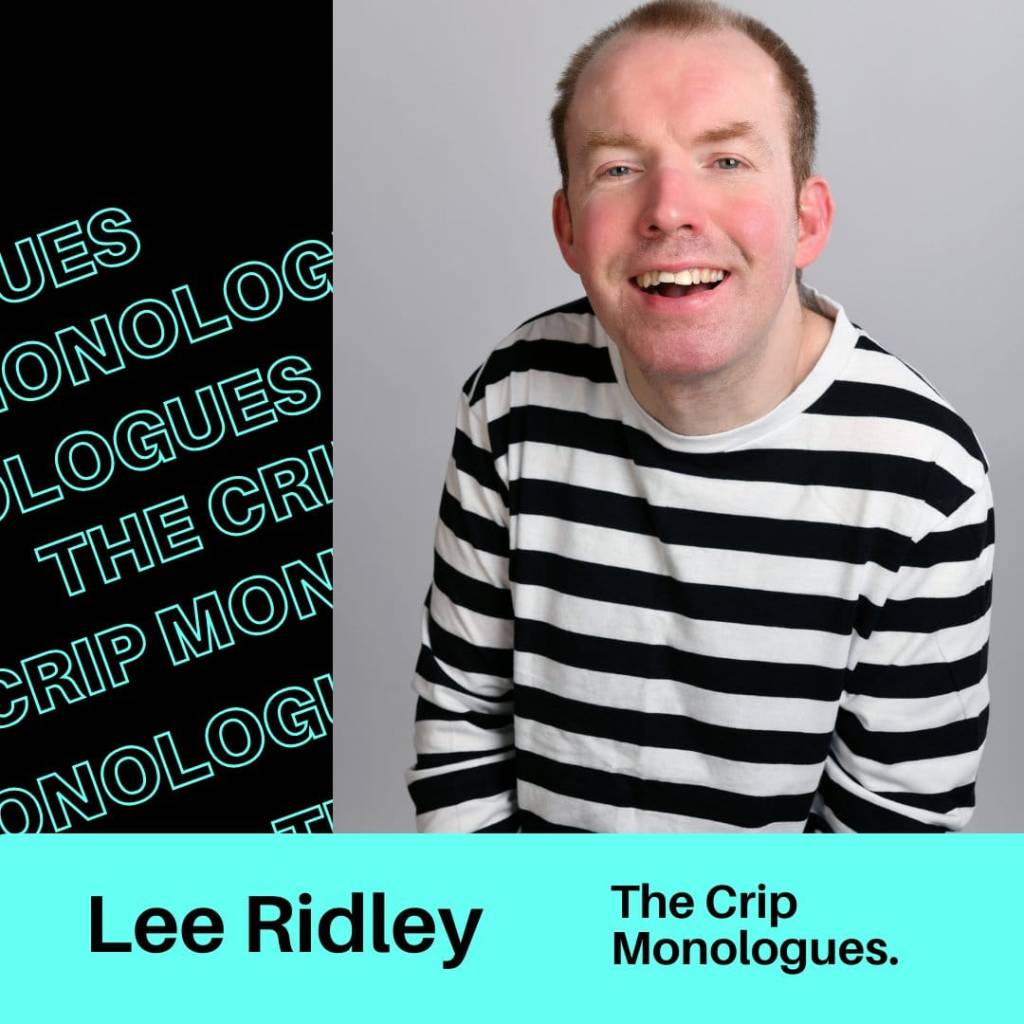
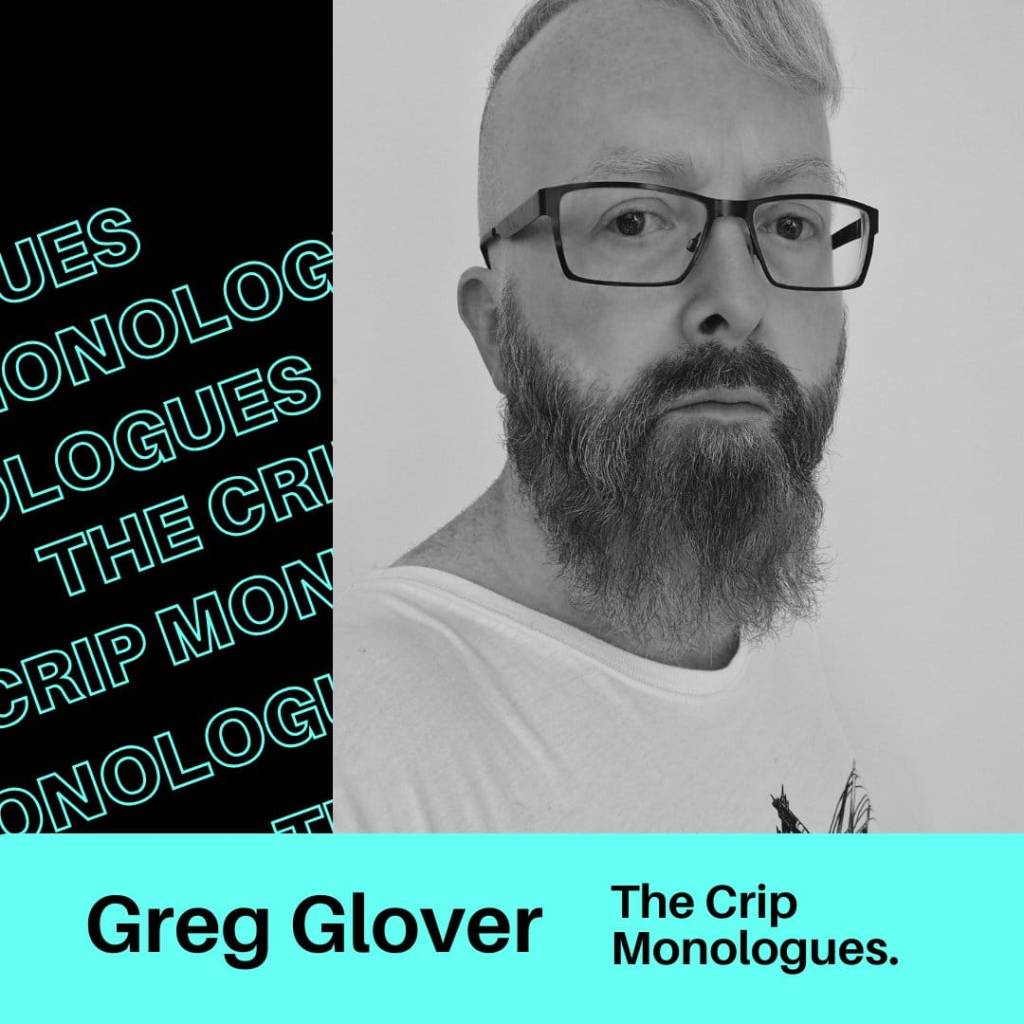
Meet the writers:

Riding the Waves of Motivation: Staying Afloat on Off Days

The Highs of Motivation

We’ve all felt it — that surge of energy when motivation courses through our veins. It’s the fuel that powers us to tackle our goals, the wind in our sails pushing us towards success. On these days, we’re unstoppable, checking off tasks with a vigour that seems to come from a boundless well.

The Lows of Demotivation

But then, there are the other days. The odd ones where that well of motivation seems to have dried up overnight. We wake up feeling like we’re wading through treacle, every task an insurmountable mountain. It’s normal, yet it can make us feel isolated, as if we’re the only ones struggling while the rest of the world charges ahead.

Understanding the Cycle

It’s crucial to recognise that motivation isn’t constant; it’s a cycle. Like the ocean’s tides, it ebbs and flows. Accepting this can be liberating. It means that feeling down or unmotivated isn’t a failure — it’s part of the human experience.

Strategies for the Low Days

So, what can we do when motivation is scarce? Here are a few strategies:

  • Start small: Tackle the smallest task on your list. Completing it can give you a sense of achievement and might just kickstart your engine.
  • Seek inspiration: Sometimes, we need external sources to light our internal fire. Read a book, listen to a podcast, or watch a TED talk — anything that resonates with you.
  • Connect with others: Reach out to a friend or colleague. Often, just talking about our lack of motivation can help dissipate it.
  • Be kind to yourself: Remember, it’s okay to have off days. Be as compassionate to yourself as you would be to a friend in the same boat.

Embracing the Journey

Motivation is not just about the highs; it’s about learning to navigate the lows. It’s about understanding that our worth isn’t tied to our productivity on any given day. So, on those odd days when you’re feeling down, remember that the tide will turn. The key is to ride the wave, not fight against it.

Interoception: The Inner Sense That Shapes our Experience

Introduction

Along with alexithymia, my autism diagnosis also made me aware of my lack of interoception. This has been a lifelong issue for me.

What is Interoception?

Interoception is our ability to perceive and interpret signals coming from within our own bodies. It’s an internal sense that informs us about the physiological state of our body, such as hunger, thirst, temperature, and internal pain. This sense can be both conscious and subconscious, and it plays a crucial role in maintaining homeostasis and facilitating self-awareness.

The Causes of Interoceptive Dysregulation

Interoceptive dysregulation can arise from a variety of sources. It’s often associated with mental health conditions like anxiety, depression, panic disorder, anorexia nervosa, bulimia nervosa, PTSD, OCD, ADHD, alexithymia, somatic symptom disorder, and illness anxiety disorder. Misrepresentations of internal states or a disconnect between the body’s signals and the brain’s interpretation of those signals are suggested to underlie these conditions.

Treatments and Techniques for Managing Interoception

Several approaches exist to enhance interoceptive awareness and regulation:

Mindfulness and meditation: These practices can enhance one’s awareness of bodily sensations and help regulate emotional responses.

Talking therapies: Cognitive-behavioural therapy (CBT) and other psychotherapies can assist individuals in better understanding and responding to their interoceptive signals.

Interoceptive training: Specific exercises that focus on recognising and responding to internal bodily sensations can be beneficial.

Aligning dimensions of interoceptive experience (Adie): A novel therapy that involves interoceptive heartbeat training to align interoceptive experience.

Conclusion

Interoception is a vital but often overlooked aspect of our sensory experience. By understanding and managing our interoceptive signals, we can improve our emotional regulation and overall mental well-being.

Understanding Alexithymia: The Challenge of Emotional Blindness

Introduction

In my autism diagnosis journey, and after several sessions meeting other autistic people through the National Autistic Society for Scotland in their Embrace Autism group sessions, I have come to realise that I can’t, and have never been able, to pinpoint what I’m feeling (emotionally) at any given time. This is a condition linked to autism that is named Alexithymia.

What is Alexithymia?

Alexithymia, often described as “emotional blindness,” is a condition characterised by difficulty in identifying, expressing, and describing emotions. It’s not just about being less emotional; it’s about having a hard time understanding what you’re feeling at any given moment. People with alexithymia might find themselves confused when asked how they feel, or they may struggle to recognise the emotions of others.

The Roots of Alexithymia

Although not fully understood, the causes of alexithymia could be influenced by genetics, brain structure, and early life experiences. Some studies suggest it could be related to damage in the insula, a part of the brain involved in empathy and emotional awareness. It’s also associated with various mental health conditions, including depression, anxiety, and autism spectrum disorders.

Living with Alexithymia

For those with alexithymia, everyday interactions can be challenging. They might appear distant or uninterested because they don’t express emotions in a typical way. This can lead to misunderstandings in personal relationships and difficulties in social situations.

While there’s no specific treatment for alexithymia, therapy can help improve emotional awareness and expression. Techniques like cognitive-behavioural therapy (CBT) and mindfulness practices can assist individuals in better understanding their own emotions and the emotions of others.

Conclusion

Alexithymia is a complex condition that affects how people perceive and express emotions. By recognising its presence and understanding its implications, we can create more supportive environments for those who experience the world differently.

Presuming Competence in Autistic People

Autistic Social Hangovers

DWP Work Coach Shortage

A Theory on Why Car Insurance Premiums Are on The Rise

As many motorists will have noticed recently insurance premiums have risen astronomically and many are asking why.

I have a theory.

In 2010, while driving to the shop one wintery evening I came to a junction controlled by traffic lights, and my light was red so I obviously stopped. To my left a Morrisons truck also stopped. On getting a green light, I pulled forward a bit as I was turning right and traffic coming the other way had priority. The Morrisons truck to my left started turning left, and the trailer hit an icy patch and slid into the side of my car, destroying the nearside wing mirror and leaving scratches and scrapes on the front passenger door.

Next day I called the insurance company, gave them the details of what had happened, they advised that not only did they cover me but coincidentally they also covered the Morrisons fleet as well. That same day they had a replacement car out to me and collected my car to be repaired. The place that would be doing the repairs took it on a flatbed truck.

A couple of weeks later my car was returned to me with the repairs having been done. The replacement car was taken away and it was all done and dusted.

Cut to 13 years later and compare that experience with my latest one after a minor accident. Driving from my home in Scotland to my Mum and Stepdad’s in Wales, I stopped off at Todhills rest area on the M6 for a coffee. On leaving the area I began to accelerate down the slip road to rejoin the motorway when a truck driver in front decided to stop his truck, on the slip road, open his cab door in order to empty his coffee or tea mug outside. I’d moved over to pass him when the bottom corner of his door made contact with my car, hitting it just below roof level, denting the A pillar and the front passenger door, shattering the glass in that door, leaving paint on the B and C pillars and leaving gouges out of the rear quarter glass.

By this point I was almost back on the motorway so it wouldn’t have been safe to stop, I had to keep going. When I got to Wales I could get out and see the extent of the damage. Again I called the insurance company that same day and gave them the details. They had a hire car out to me the next day and said they’d arrange for a repairer to collect my car from my home and get it repaired.

So I waited. And then I waited some more. And more. After 4 weeks a company called Motor Repair Network, (MRN) contacted me to arrange to collect my car and said they had a repairer in Glasgow who would do the required work. This repairer was called Activate Accident Repair, (AAR) but my next call didn’t come from them. It came from yet another company called Glasgow Recovery who announced they’d actually been given the task of collecting the car and taking it to Glasgow, to the actual company who would be doing the repairs.

Once the car got to AAR they sent me a link to an online portal where they said I could keep updated on the progress of the repairs, so I watched as it went through assessment, estimated cost, approval from the insurance and then a status of repairs completed. I waited a few days after this status had appeared and then contacted what I thought was the repair company AAR, through their own portal, but it was MRN who responded stating that the repairs had been completed, but that the repairer was awaiting parts which were on back order. So, the repairs are complete, meaning finished, done, finito. But they’re waiting for parts. Parts needed to carry out the repairs. The repairs which are completed. Hmmm.

3 weeks after the status repairs completed had appeared on the portal I got a call from the actual repairers AAR asking if it would be OK to bring my car back that afternoon, which was fine by me as you can probably imagine.

From start to finish the repairs to what was really minor damage had taken almost exactly 3 monthsand involved input from the insurance, the broker or whatever they are, this Motor Repair Network, a recovery company and the actual repairers themselves Activate Accident Repair. 4 companies to do what 2 had been able to do some 13 years prior. And each one of those companies would have needed payment for their part of the job.

Coincidentally, both cars were Peugeot 3008s and both had been damaged by trucks.