The cost of living crisis is affecting everyone in the UK, but especially disabled people. Disabled people face extra costs of £975 a month on average to reach the same living standards as non-disabled people. These costs include things like specialised equipment, adaptations, transport, care and support.
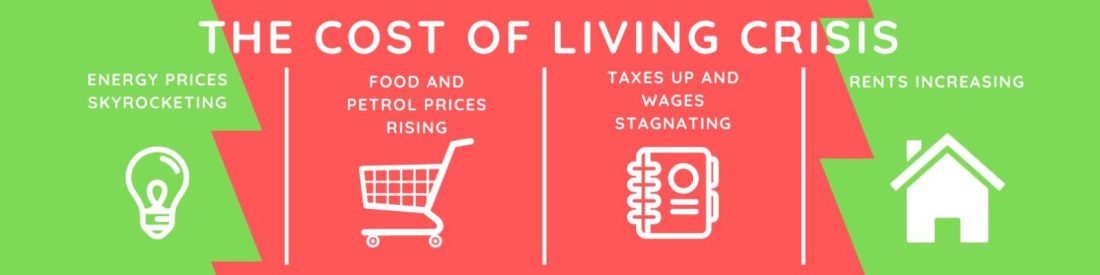
But now, disabled people are also facing soaring energy bills, rising food prices and inflation. This is putting them under immense financial pressure and forcing them to make impossible choices between essentials.
The energy crisis and disabled people
One of the main challenges for disabled people is the energy crisis. Many disabled people need to use more energy because of their impairment or condition. For example, they may need to keep their home at a certain temperature, use electric appliances like wheelchairs or hoists, or charge medical devices like ventilators or nebulisers.
According to Scope, a disability charity, over a third of disabled adults feel that their impairment or condition has an impact on how much energy they use. And 91% of them are worried about energy bills this winter.
But the government’s support for disabled people to cope with the energy crisis is not enough. The Warm Home Discount, which gives eligible households a £150 rebate on their electricity bill, does not cover the extra costs that disabled people face. And the Disability Cost of Living Payment, which gave some disabled people a one-off payment of £150, comes nowhere near the costs. Just as an example, I’m currently paying over £200 per month for gas and electricity.
Scope’s research shows that 80% of disabled people receiving the £150 cost of living payment said it would not be enough to cover their increased costs for essentials. And 57% of disabled people eligible for the £650 cost of living payment said it would not be enough either.
As a result, many disabled people are falling into debt or cutting back on other essentials to pay their energy bills. Scope’s figures show that almost a third of disabled people have been pushed into debt in the last year, compared to 16% of non-disabled people. And last month, the average energy debt of disabled households supported by Scope increased to £1,794.
The impact on disabled people’s health and wellbeing
The cost of living crisis is not only affecting disabled people’s finances, but also their health and wellbeing. Many disabled people are having to sacrifice their basic needs and dignity to cope with the rising costs.
Scope’s survey reveals some of the shocking choices that disabled people are making because of the cost of living crisis:
- 38% of disabled people said they were not using heating when cold because of the cost of living, compared to 26% of non-disabled adults
- 34% of disabled people said they were buying lower quality food, skipping meals and/or eating less because of the cost of living, compared to 19% of non-disabled adults
- 20% of disabled people said they were cutting back or stopping showering and bathing because of the cost of living, compared to 9% of non-disabled adults
These choices can have serious consequences for disabled people’s physical and mental health. For example, not heating their home can increase the risk of infections, respiratory problems or hypothermia. Not eating enough or well can affect their immune system, energy levels or medication effectiveness. And not showering or bathing can lead to skin infections, pressure sores or loss of self-esteem.
What needs to change?
The cost of living crisis is making disabled people’s lives harder and more miserable. They deserve better support from the government and the energy sector to meet their needs and live with dignity.
Scope is calling on the government to:
Scope is also urging the energy regulators and suppliers to:
- Extend the Warm Home Discount to more disabled customers who are struggling with their energy bills. Scope says that the current eligibility criteria are too narrow and exclude many disabled people who need the support.
- Provide clear and accessible information and advice to disabled customers on how to switch to cheaper tariffs, access grants or schemes, or improve their energy efficiency. Scope says that many disabled people are not aware of their options or find it difficult to access them due to communication barriers or digital exclusion.
- Offer flexible and fair payment plans to disabled customers who are in debt or arrears. Scope says that many disabled people are facing aggressive debt collection practices or threats of disconnection from their energy suppliers. Scope says that energy suppliers should take into account disabled people’s circumstances and income when setting up repayment arrangements.
How you can help
If you are a disabled person or know someone who is, you can get help from Scope’s Disability Energy Support service. This is a free and confidential service that can help you with your energy bills, debt, switching, grants and more. You can contact them by phone, email or webchat.
You can also support Scope’s campaign for a fairer deal for disabled people by signing their petition, sharing your story, or donating to their work.
Together, we can make sure that disabled people are not left behind in the cost of living crisis. We deserve to live with dignity, equality and independence.


 Journeys In Words And On Wheels
You must be logged in to post a comment.